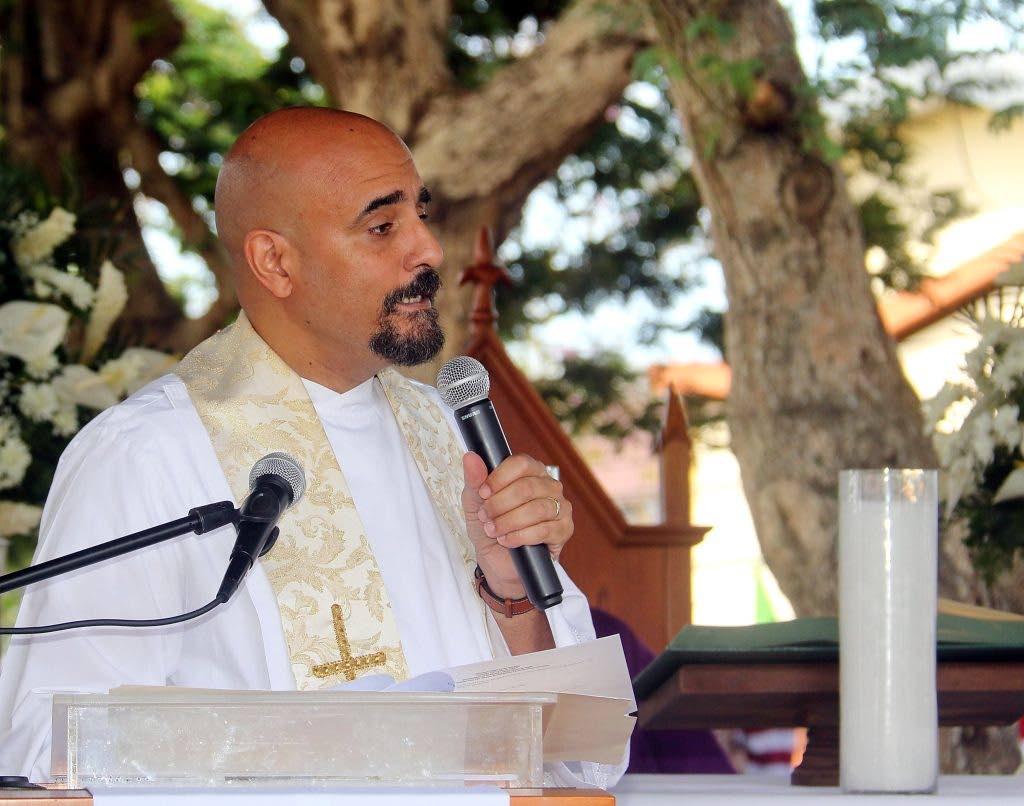
In a powerful Christmas Day homily at the Pro-Cathedral of Our Lady of Perpetual Help RC in San Fernando, Fr Matthew D’Hereaux delivered a compelling message of resilience and hope amidst modern societal challenges. The priest articulated a theological perspective on confronting systemic pressures that threaten human dignity and community cohesion.
Addressing the congregation on Thursday, D’Hereaux emphasized that divine message fundamentally embodies both hope and challenge. He identified multiple modern systems—including political structures, class divisions, and digital technology—as potentially destructive forces when allowed to dominate human relationships.
“When systems attempt to grind us down through political manipulation, economic pressure, or technological isolation, we must not surrender our purpose,” D’Hereaux asserted. He specifically criticized political systems designed to create division, urging Trinidadians to employ their characteristic creativity in overcoming these divisions.
The priest referenced recent electoral campaigns, noting how cultural expressions like street parties and dancing could potentially transform political division into community celebration. “A foreign observer might mistake our political campaigns for festive gatherings among friends,” he observed, suggesting this cultural approach could model bridge-building between opposing groups.
D’Hereaux expressed particular concern about technology’s impact on human connection, noting the paradox of extensive contact lists accompanied by diminishing genuine friendships. “The pursuit of virtual validation through ‘likes’ cannot define our worth,” he cautioned.
Drawing theological parallels, the priest reflected on the Nativity story, highlighting how Mary and Joseph faced political and economic pressures without surrendering to despair or violence. “Despite being displaced by political decrees and denied shelter, they maintained their dignity and hope,” he noted, presenting their story as a model for contemporary response to systemic challenges.
The homily addressed multiple social concerns, including the priest’s criticism of promiscuity culture, warning against normalized open marriages. He emphasized strengthening family bonds through traditional games and shared activities as antidotes to technological isolation.
D’Hereaux also condemned anti-immigrant sentiment and pornography’s pervasive influence, particularly highlighting concerns about adolescent exposure to explicit content. “We must challenge the sexualized culture and reject pornography’s destructive impact on healthy relationships,” he urged.
Throughout the address, the priest consistently returned to themes of proactive faith, creative resistance to negative systems, and the preservation of authentic human relationships through spiritual practice and community solidarity.