The Caribbean Examinations Council (CXC) is grappling with a persistent and troubling trend of absenteeism among students registered for its Caribbean Secondary Education Certificate (CSEC) examinations. This phenomenon represents both a significant financial concern and an educational challenge across the region.
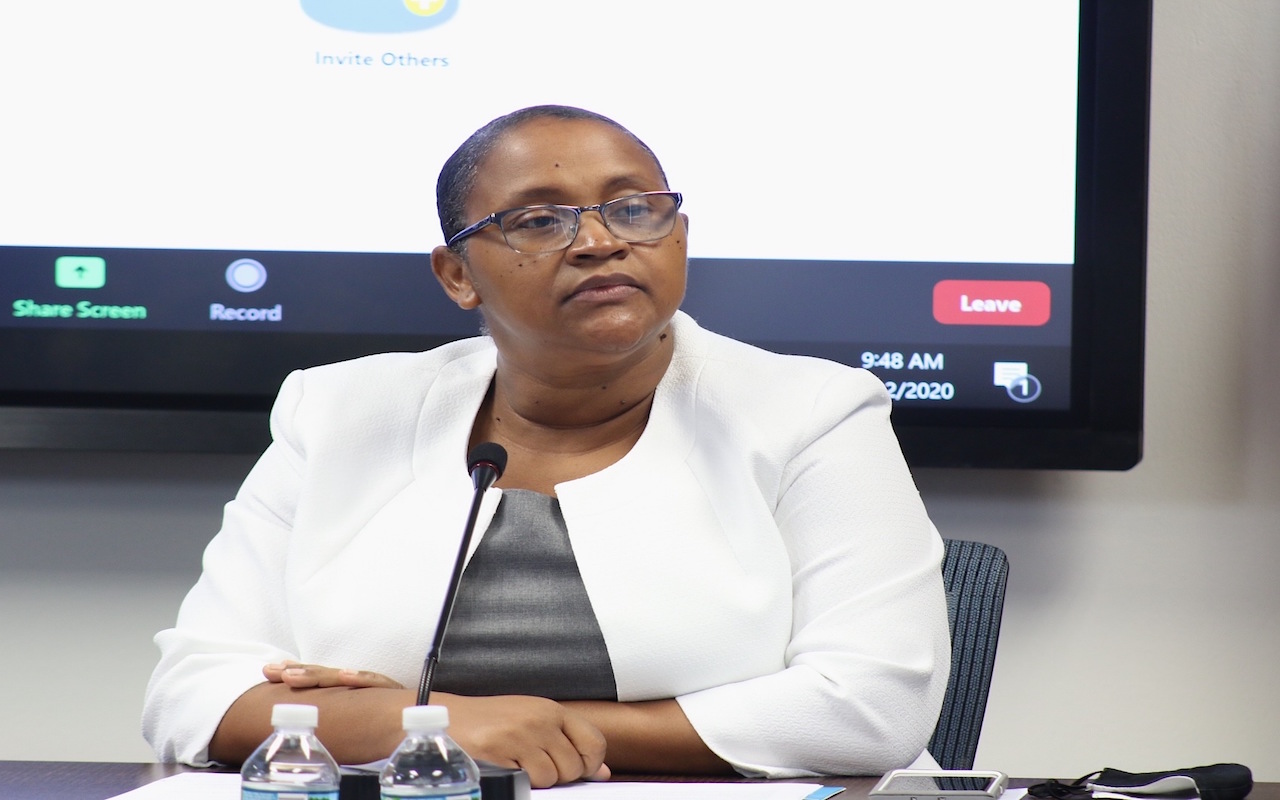
Dr. Nicole Manning, CXC’s Director of Operations, confirmed the organization is actively investigating the root causes through comprehensive surveys. The financial implications are substantial, with examination fees—often covered by governments or parents—being effectively wasted when students fail to appear for their tests.
According to CXC’s research, the primary reason students skip examinations is a perceived lack of preparation. Many candidates reportedly feel insufficiently ready to demonstrate their competencies, leading them to avoid sitting the exams entirely. Dr. Manning emphasized the council’s position that students should attempt examinations regardless of their preparedness level, noting that many underestimate their actual knowledge and recall abilities during assessment situations.
Beyond preparation anxiety, illness and other personal factors contribute to absentee rates. Particularly concerning is the pattern emerging in newer, vocationally-oriented subjects critical to regional development. Fields such as green engineering along with logistics and supply chain management are experiencing disproportionately high absence rates, despite strong performance metrics among examinees who do participate.
Dr. Manning acknowledged evolving attitudes toward education among younger generations, prompting CXC to pursue innovative solutions through digital transformation. The council has developed the Caribbean Targeted Education Certificate (CTEC), a modularized alternative to traditional CSEC and Caribbean Advanced Proficiency Examination (CAPE) certifications.
This new micro-credential system, scheduled for pilot implementation in May/June 2025 with over 6,000 participants—more than double initial projections—offers students unprecedented flexibility. The CTEC framework allows candidates to build qualifications incrementally through stackable modules, enabling them to customize their educational profiles according to individual interests and career aspirations.
CXC has already released marginalized syllabuses for Mathematics, English A, English B, and Integrated Science, with examinations set to commence in 2027. This approach ensures that even students unsuccessful in comprehensive CSEC examinations can still attain certification through CTEC module completion.
Dr. Manning emphasized that addressing absenteeism, supporting student development, and adapting to contemporary educational needs remain central priorities for CXC as it transforms its operational models to better serve Caribbean youth.