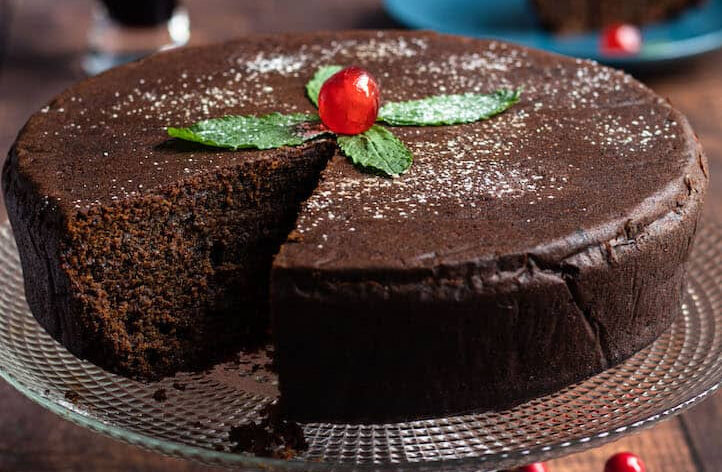
Throughout the Caribbean archipelago—from Jamaica and Trinidad to Guyana and Dominica—the approach of significant celebrations is heralded by a distinctive aromatic signature: the rich, spiced fragrance of Caribbean Black Cake. This dense, molasses-dark dessert, profoundly infused with rum, transcends mere culinary delight to embody a cultural artifact meticulously preserved across generations and geographies.
Historical evolution transformed the British plum pudding and fruitcake traditions, introduced by 18th-century colonists, into something uniquely Caribbean. Enslaved Africans and subsequent free communities radically reimagined these recipes utilizing local resources. Rum—distilled from the region’s economically dominant sugarcane—supplanted brandy as both preservative and flavoring agent. Burnt sugar, meticulously caramelized into ‘browning,’ imparted the cake’s characteristic deep hue, while tropical dried fruits underwent months-long rum maceration.
The meticulous preparation underscores the cake’s significance. Families frequently initiate fruit soaking months—sometimes a full year—in advance, allowing flavors to mature into complex harmony. The batter, infused with nutmeg, cinnamon, allspice, and clove, is blended with creamed butter, eggs, flour, and caramelized sugar. Post-baking, cakes are traditionally ‘fed’ additional rum to enhance moisture and longevity, creating a dessert that improves with age without refrigeration.
Regional variations abound while maintaining core cultural meaning. Trinidadian versions often exhibit a smooth, pudding-like texture, whereas Jamaican iterations are notably robust in spicing. In Guyana, the cake assumes near-sacred wedding symbolism representing prosperity and continuity, while Dominican recipes remain fiercely guarded family secrets transmitted through practice rather than written instruction.
As Caribbean diaspora communities established roots in the United Kingdom, Canada, and the United States, black cake became an edible tether to ancestral homelands. Although commercial rum cakes gained popularity from the 1970s onward, homemade versions prepared by elder family members remain the unquestioned standard of authenticity.
Beyond gastronomy, black cake encapsulates broader historical narratives: the fusion of colonial influences with African ingenuity, the alchemical transformation of hardship into richness, and preservation through adaptation. Typically served with coffee, sorrel, or rum, its consumption becomes a deliberate act of cultural remembrance—each slice containing centuries of adaptation, migration, and celebration.
This culinary tradition functions as a living historical archive, where empire, resistance, memory, and family converge. The cake’s profound darkness contains multitudes of meaning, serving as both sweet sustenance and powerful symbol that declares: this moment matters.