Barbados is experiencing an unprecedented surge in cruise tourism with projections pointing toward a record-breaking winter season, yet Bridgetown’s main retail district reports disappointing foot traffic and limited economic benefits from the influx of visitors.
The Barbados Hotel and Tourism Association (BHTA) announced in June that nearly 500 cruise ships are scheduled to dock at the Port of Bridgetown between late 2025 and early 2026. Chairman Javon Griffith revealed during the association’s annual meeting that cruise arrivals are expected to increase by 22%, reaching approximately 850,000 passengers compared to 695,000 the previous season.
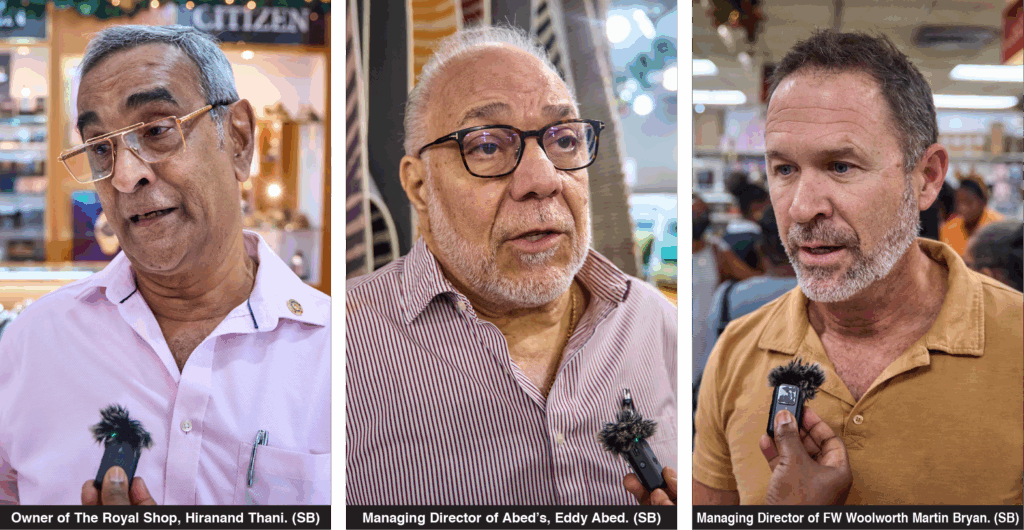
Despite these impressive numbers, Broad Street retailers report a stark disconnect between national tourism statistics and their daily reality. Hiranand Thani, owner of The Royal Shop, expressed frustration that the increased cruise activity hasn’t translated into meaningful business for downtown merchants.
“We’re glad to have the tourists, but we’re not seeing traffic on Broad Street,” Thani lamented. He noted that visitors are increasingly bypassing the shopping district in favor of beach activities along the boardwalk, which generates significantly less foreign exchange revenue than retail shopping.
Thani emphasized that while beach spending on items like beverages contributes minimally to the economy, retail shopping represents a substantial source of foreign exchange earnings. He called for more decisive action to attract tourists to the commercial district, stating that current efforts need to be intensified “two extra miles” to make a meaningful difference.
The challenge extends beyond tourist behavior to structural issues within Bridgetown itself. Eddy Abed, Managing Director of Abed’s and chairman of the Bridgetown Revitalisation Committee, explained that the departure of approximately 3,000 government jobs from the city two decades ago created a persistent foot traffic problem that remains unresolved.
“There’s a reason why Broad Street is half empty,” Abed noted. “The branded stores just don’t see enough tourists there that it would warrant them to open a store.” He revealed that many Bridgetown businesses actually benefit indirectly by supplying hotels and restaurants rather than selling directly to visitors.
Martin Bryan, Managing Director of F W Woolworth, reported similar experiences, noting that while cruise passengers do visit his store, their spending remains minimal. “A key ring, maybe buy a T-shirt, but we don’t see a lot of spend from any cruise ship passengers,” Bryan observed. He attributed this pattern to onboard shopping facilities and cruise lines directing passengers to shop in other islands with cheaper prices.
Industry experts suggest that planned developments including new hotels and mixed-use projects may eventually change Bridgetown’s dynamics, but significant improvements are still four to five years away. In the interim, stakeholders emphasize the need for enhanced entertainment, cultural attractions, and dining options to make the capital city a more compelling destination for visitors throughout the year.