In a comprehensive effort to address school violence, Trinidad and Tobago’s police schools initiative has resulted in the arrest of 29 students across multiple educational institutions during the recent academic term. The program, launched in September following government directives, deployed 95 specially trained officers to 50 identified at-risk schools nationwide.
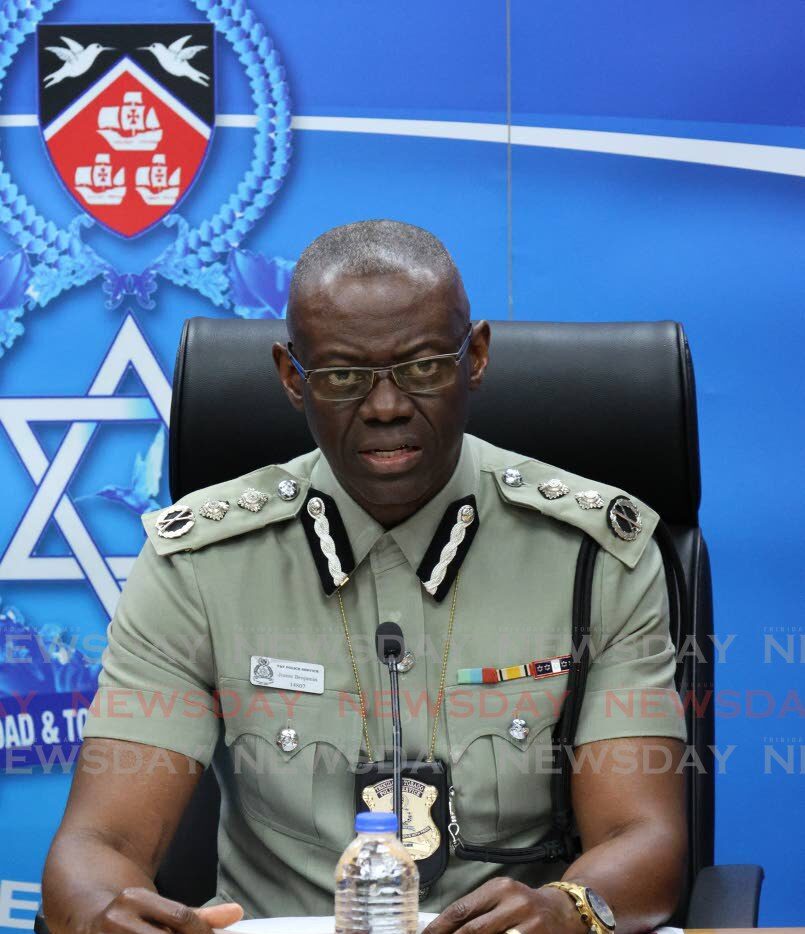
Deputy Commissioner of Police Junior Benjamin disclosed to Newsday on December 24 that the arrests encompassed serious offenses including weapon possession, marijuana trafficking, assault with weapons, and robbery incidents. “The TTPS isn’t adopting a punitive approach but rather demonstrating support through dialogue and intervention,” Benjamin emphasized, noting that all cases were referred to courts for appropriate remedial measures.
The initiative emerged in response to escalating violence in educational institutions, prompting Prime Minister Keith Rowley’s July announcement of targeted police deployment. Officers underwent specialized training in school-oriented policing and peer counseling techniques before the program’s September 8 commencement.
Notable incidents under the program included a 13-year-old Coryal Secondary student charged with marijuana trafficking on September 17—among the first arrests under the initiative. Subsequent cases involved La Romaine High School students apprehended with marijuana on campus in October, and a Valencia Secondary student found with both marijuana and a concealed weapon in November.
Despite these interventions, significant violent incidents persisted both within and outside program schools. Arima North Secondary, not included in the initiative, experienced multiple documented fights including a September teacher-student physical altercation that circulated on social media. A November mass brawl near Barataria North Secondary overwhelmed a single responding officer, highlighting ongoing challenges.
Benjamin acknowledged that while physical confrontations have decreased compared to previous years based on police records, comprehensive data analysis remains ongoing. Future program enhancements will include mentorship components and strengthened collaboration with school safety officers and the Ministry of Education.
Trinidad and Tobago Unified Teachers’ Association president Crystal Ashe characterized the police presence as “a positive thing,” noting anecdotal reports of improved security despite needing empirical evidence. Education Minister Dr. Michael Dowlath’s office requested additional verification before commenting on program outcomes and future directions.