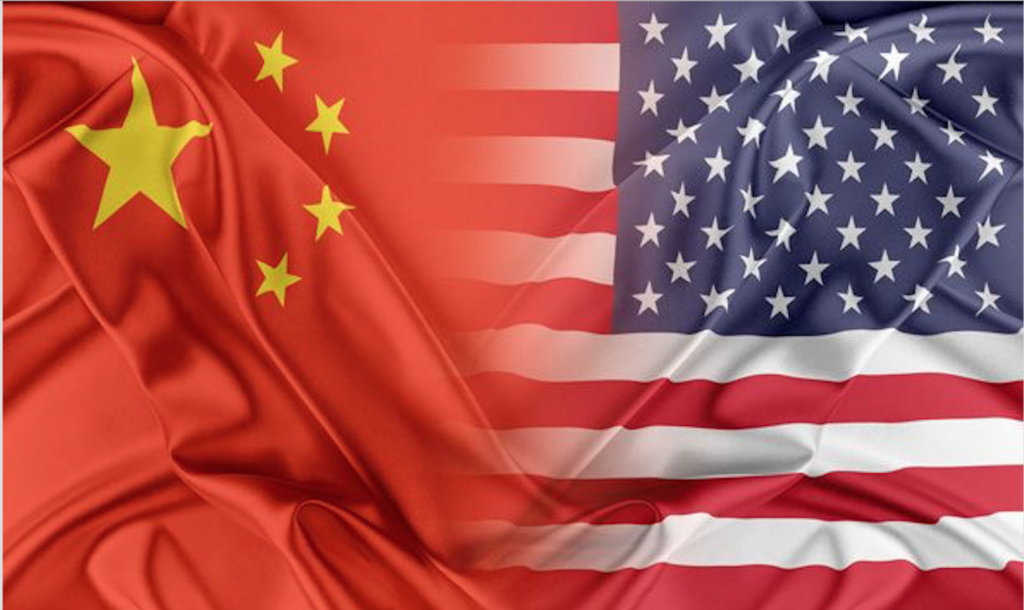
The Caribbean has emerged as a critical theater for global power competition, witnessing a stark divergence in strategic approaches between two superpowers. Recent developments reveal a fundamental contrast between American assertiveness and Chinese subtlety in regional engagement.
Washington’s resurgent Monroe Doctrine framework, originally articulated in 1823 to establish hemispheric dominance, now manifests through heightened security operations and confrontational policies. Recent anti-narcotics campaigns have resulted in nearly 100 alleged traffickers killed at sea without judicial oversight, raising serious concerns about international law compliance and accountability mechanisms.
Conversely, Beijing has cultivated influence through tangible development projects and humanitarian assistance. China’s strategy emphasizes practical outcomes rather than ideological confrontation, positioning itself as a reliable partner for Caribbean nations facing economic challenges.
The divergence is particularly evident in Barbados, where Chinese initiatives include donating 30 buses to the struggling transport system, renovating sports facilities, and rehabilitating critical road networks. These interventions directly impact daily life and economic mobility rather than serving as symbolic gestures.
China’s soft power demonstration reached its peak with the visit of the medical ship Silk Road Ark. Hundreds of Barbadians queued for hours beyond health ministry expectations, seeking free medical care during the vessel’s brief deployment. Patients praised the Chinese medical teams’ organization, comprehensive diagnostics, and blend of modern and traditional treatments.
Meanwhile, regional tensions have escalated due to US policies toward Venezuela, exposing deep divisions within CARICOM. Public disputes between Trinidad and Tobago’s Prime Minister Kamla Persad-Bissessar and other regional leaders have revealed significant fragmentation regarding alignment with American initiatives, including travel bans affecting member states.
As China continues building infrastructure, supplying equipment, and providing medical assistance without political lecturing, the United States’ most visible regional presence remains its security footprint and military posturing. This fundamental difference in engagement strategies is reshaping Caribbean geopolitics and influencing regional perceptions of both global powers.