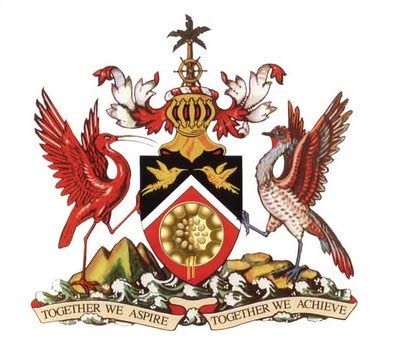
Trinidad and Tobago’s cultural community has erupted in protest following the government’s controversial decision to postpone the implementation of the new national coat of arms featuring the steelpan until January 2031. The move, authorized through Legal Notice No. 468, has drawn fierce criticism from cultural organizations and political opponents who decry it as a betrayal of national pride and cultural progress.
Pan Trinbago, the international governing body for the steelpan, expressed profound disappointment with the five-year extension granted for continued use of the previous emblem displaying three ships. President Beverley Ramsey-Moore characterized the delay as contradictory to the spirit of unity demonstrated when Parliament unanimously approved the symbolic change earlier this year. “We are deeply disappointed,” Ramsey-Moore stated. “Both government and opposition stood shoulder to shoulder in full support of the amendment.”
The organization emphasized that the steelpan represents more than mere symbolism—it embodies national resilience, cultural identity, and serves as a global industry. Ramsey-Moore stressed that deferring implementation until 2031 undermines cultural progress and diminishes the instrument’s significance to national identity, noting that the decision sends an unfortunate message to citizens who celebrated this long-awaited moment of national pride.
Opposition leaders have condemned the timing and secrecy surrounding the decision. Chief Whip Marvin Gonzales questioned why the government published the legal notice quietly during Christmas preparations, asking pointedly: “Why did the national instrument offend this country’s leadership so deeply?” He described the action as a “blatant attack on a cultural symbol of our national community.”
Former government officials including ex-Prime Minister Keith Rowley and former Energy Minister Stuart Young joined the criticism, with Young accusing the current administration of acting without transparency and demonstrating “extremist hatred and dark revenge” toward cultural symbols. Young connected the emblem delay to a broader pattern of hostility toward pan culture since May 2025, including sponsorship withdrawals from steelbands nationwide.
The controversy extends to financial considerations, with questions raised about potential savings from the deferral and costs associated with updating national currency. Finance Minister Davendranath Tancoo defended the decision as “a simple matter of common sense,” noting that both emblems have been in use since approval and that the extension merely sets a definite transition deadline. However, the minister did not provide cost estimates for updating currency designs.
The sponsorship aspect gained particular attention following September incidents where state-owned National Gas Company (NGC) terminated support for multiple steelbands, citing contract re-evaluations. Termination letters gave bands just seven days’ notice, fueling perceptions of systematic cultural marginalization.
Former Culture Minister Randall Mitchell summarized the growing concern: “The steelpan and the steelpan movement are under attack by the Kamla Persad-Bissessar government.” Mitchell highlighted the historical significance of replacing Columbus’s ships—symbols of colonial brutality—with the indigenous steelpan, making the delay particularly symbolic.
The government maintains that the phased approach prevents waste by replacing items only as needed, similar to how existing passports remain valid until renewal. Yet critics argue the decision reflects deeper issues regarding cultural prioritization and transparent governance, with the Christmas timing and lack of public consultation intensifying suspicions of political motivation.