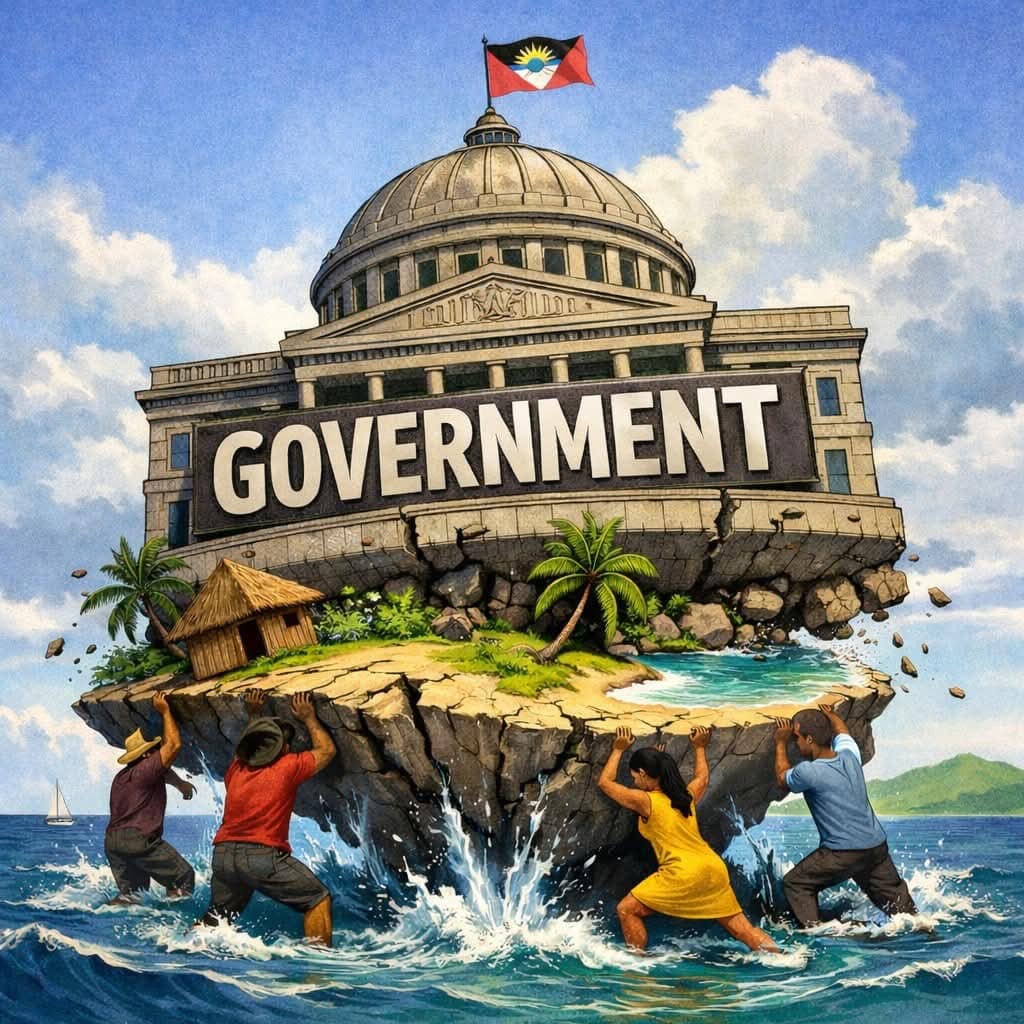
A profound fiscal analysis reveals a growing economic burden on citizens of Antigua and Barbuda as government expenditures continue their unprecedented upward trajectory. Over a five-year period from 2021 to 2025, the national budget has escalated by 33.5%, climbing from $1.499 billion to a projected $2.001 billion, with a further increase to $2.078 billion anticipated for 2026.
This expansion of government spending represents what economists term ‘hidden taxation’ – indirect fiscal measures that substantially impact citizens’ cost of living without transparent disclosure. The fundamental economic principle remains unchanged: every dollar spent by the government must first be extracted from the populace, either through immediate taxation or deferred debt obligations that future generations will inevitably bear.
Current data indicates that indirect taxation consumes approximately 18% of the national GDP, meaning the average citizen surrenders $1 of every $5 earned to government coffers through consumption-based levies. When combined with statutory deductions including Social Security, Medical Benefit, and Education Levy, the total government claim on individual income reaches a staggering 30.5%.
A detailed examination of a typical monthly budget for an individual earning the average salary of EC$3,000 demonstrates the severe financial pressure facing ordinary citizens. After accounting for housing ($900), utilities ($500), daily meals ($200), groceries ($400), and both direct and indirect government deductions ($916), only $84 remains for transportation, incidentals, and discretionary spending.
This fiscal reality means the average worker effectively labors for two months annually solely to satisfy indirect tax obligations. While some argue this represents necessary contribution to national development, the current trajectory risks creating unsustainable economic conditions where government spending priorities override individual financial stability.
The critical question facing citizens and policymakers alike is whether this pattern of budgetary expansion serves the public interest or requires immediate correction through disciplined fiscal restraint and transparent accounting of taxation’s true impact on household economics.