Jamaica’s sole electricity distributor, Jamaica Public Service Company (JPS), finds itself at the center of a brewing storm as it defends a recently approved 7% rate increase amidst public outcry. The Office of Utilities Regulation (OUR) sanctioned the hike, which will impact December bills covering November consumption, but JPS contends this represents a fraction of what could have been implemented without their proposed cost-spreading measures.
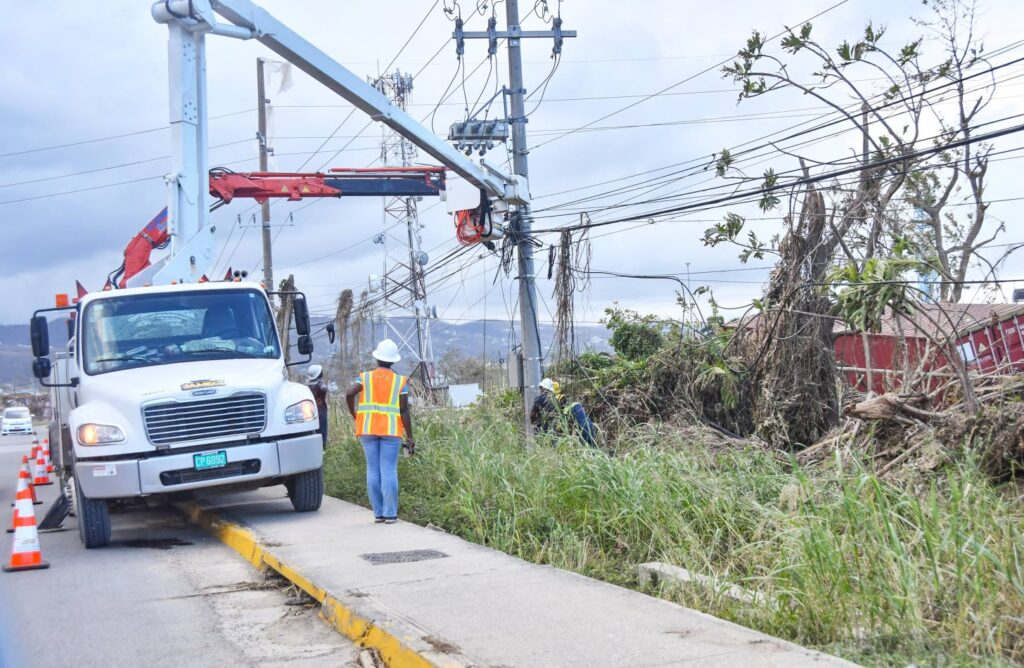
The root cause traces back to Hurricane Melissa’s October 28 landfall, which severely disrupted Jamaica’s energy infrastructure. The tempest damaged supply lines for lower-cost fuels, forcing JPS to temporarily utilize more expensive alternatives while simultaneously reducing renewable energy availability. Compounding the problem, overall electricity sales plummeted by approximately 30% due to widespread power outages, creating a perfect storm of financial pressures.
JPS explained the economic mechanics in simple terms: “Think of the power plant as a bus rented for $10,000. This fixed cost gets divided among all passengers. With fewer riders after the hurricane, each remaining customer bears a larger portion of the burden.” This analogy illustrates how fixed costs for fuel suppliers and Independent Power Producers (IPPs) must be distributed across diminished consumption, inevitably driving rates upward.
The company emphasized that fuel and generation charges are strictly regulated to reflect actual costs, with payments flowing directly to suppliers including Petrojam and Excelerate Energy rather than being retained by JPS. Without the approved deferral strategy, customers would have faced an immediate 50% increase rather than the implemented 7% rise, which will see remaining costs distributed over subsequent months.
Energy Minister Daryl Vaz acknowledged the difficult situation while criticizing JPS’s operational framework. He characterized the current licence agreement as fundamentally flawed, stating it fails to protect consumer interests and leaves regulators with insufficient intervention authority. Minister Vaz insisted that licence reform must become a priority, noting that while the current increase is smaller than July’s 16% hike following Hurricane Beryl, the pattern of storm-related rate spikes demands systemic change.
JPS revealed it has proposed a fuel rate stabilization mechanism to the OUR that would mitigate such dramatic bill fluctuations, creating more predictable pricing while honoring obligations to suppliers. However, the company notes it cannot implement such measures without formal regulatory approval, despite receiving informal signals of agreement.