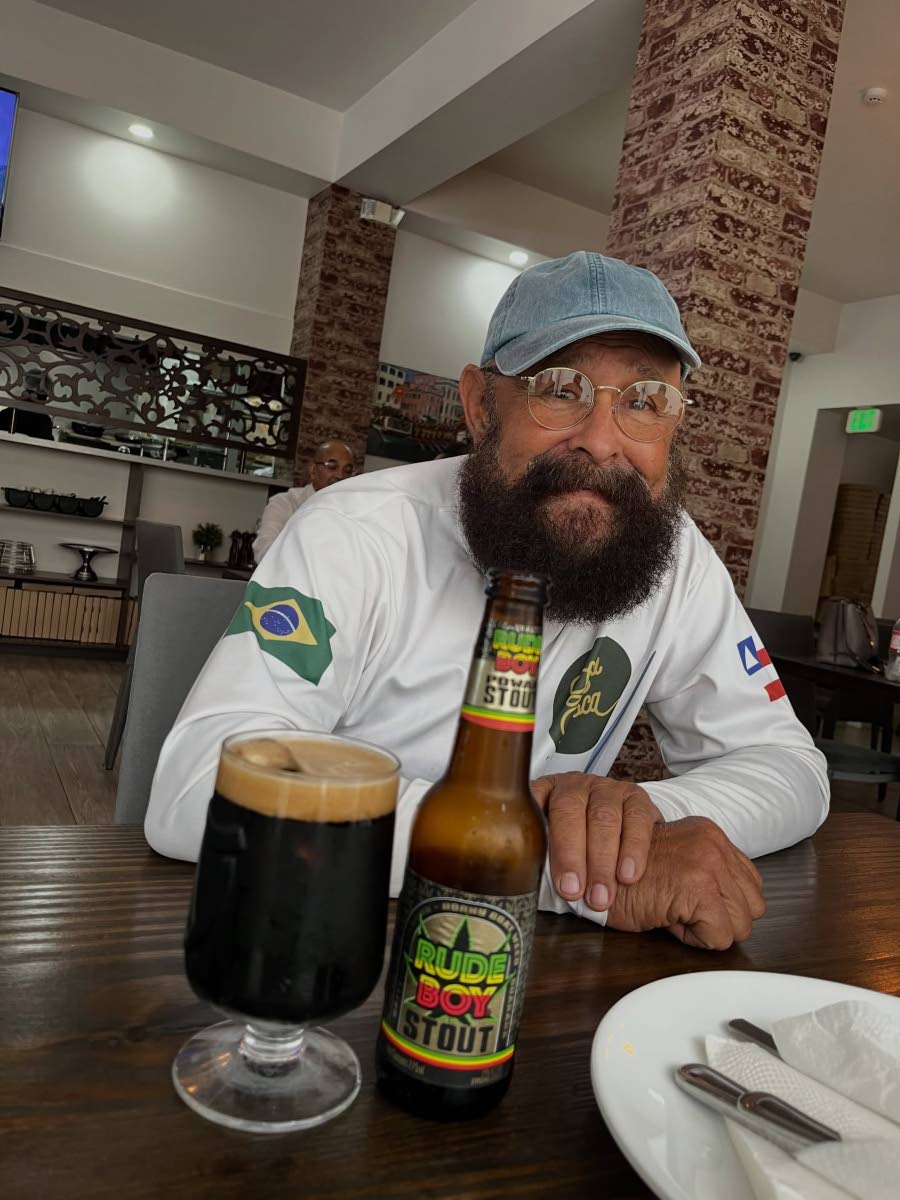
The recent abduction and subsequent release of 70-year-old Monos Island resident Derek Tardieu has exposed deep psychological wounds within both the victim and the broader community, highlighting the complex trauma associated with violent crime. While Tardieu was freed on December 17 after nearly two weeks in captivity, his wife Clarabelle, 47, remains missing—a circumstance experts say compounds the emotional devastation.
Psychological experts are now detailing the severe impact such traumatic events inflict on survivors. Psychologist Kelly McFarlane explains that kidnapping typically triggers acute stress responses, potential PTSD development, survivor’s guilt, and depression. ‘Trauma manifests as shock and numbness, with difficulty processing the event,’ McFarlane stated in a December 18 interview. Victims frequently experience nightmares, insomnia, and hyper-arousal, where mundane sensory cues can trigger intense anxiety.
The Tardieu case involved particularly harrowing circumstances, with abductors sending relatives a video showing the couple held at gunpoint with a grenade pressed against Tardieu’s chest. The kidnappers demanded a $2.5 million ransom, though it remains unclear whether payment was made.
McFarlane emphasized that survivor’s guilt presents a significant hurdle in emotional recovery, particularly given Clarabelle’s continued captivity. ‘This creates a deep emotional conflict between relief and sadness,’ she noted, adding that unaddressed trauma can evolve into chronic PTSD characterized by intrusive memories, flashbacks, and avoidance behaviors.
Attorney Lesley-Ann Lucky-Samaroo, SC, confirmed Tardieu’s release in a December 17 statement, indicating he was ‘seeking medical attention and care’ while the family requested privacy.
The psychological impact extends beyond individual victims to affect entire communities. Psychiatrist Dr. Varma Deyalsingh observes that the brazen nature of this abduction has amplified collective feelings of fear, anxiety, and helplessness. ‘When senior citizens can be abducted, the nation questions its own safety,’ Deyalsingh explained, noting that such incidents can lead to changed behaviors, increased vigilance, and diminished trust in public safety measures.
Both experts stress the importance of respectful recovery environments. McFarlane cautioned against media overexposure, noting that sensational coverage can re-traumatize victims. She advocated for respecting boundaries, allowing time for healing, and monitoring for signs of ongoing distress including withdrawal, sleep disturbances, and depression.
Deyalsingh highlighted the role of law enforcement leadership in restoring public confidence, specifically mentioning Commissioner of Police Allister Guevarro’s international security background. However, he noted that true security restoration requires coordinated efforts across law enforcement, judicial systems, and community support networks.
As the Tardieu family grapples with ongoing uncertainty, experts recommend balanced vigilance without succumbing to fear, emphasizing empathy and support for those directly affected while maintaining normal daily routines.