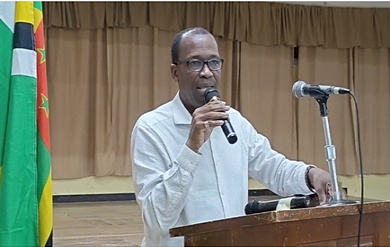
ROSEAU, Dominica – In a stark assessment of national affairs, United Workers Party (UWP) leader Dr. Thompson Fontaine has declared Dominica to be facing a multidimensional governance crisis characterized by escalating violence, environmental degradation, electoral integrity concerns, and increasing international isolation.
During his Christmas address to citizens both domestically and overseas, Fontaine asserted that the festive season provides little comfort for a nation grappling with profound challenges. He highlighted the tragic loss of 22 young lives through violent incidents within the past year, creating widespread despair among families nationwide.
A particularly urgent concern raised involves the United States’ decision to implement partial travel restrictions for Dominican immigrants and non-immigrants starting January 2026. Fontaine attributed this development directly to the government’s management of the Citizenship by Investment (CBI) program, warning that thousands of citizens could face entry denials affecting students, families, and medical travelers. He further cautioned that without substantive reforms within six months, partial restrictions could escalate to a comprehensive ban.
The opposition leader revealed he had expressed apprehensions about the CBI program as early as 2009, citing inadequate due diligence procedures and allegations of passport sales to individuals with criminal backgrounds. A significant legal challenge filed by the UWP demanding accountability and transparency in the program is scheduled for judicial review on January 26, 2026.
Environmental protection emerged as another critical issue, with Fontaine condemning the alleged destruction of rainforest areas at Deux Branches. He accused the administration of bypassing environmental regulations and proceeding with development activities without conducting proper impact assessments. The opposition leader challenged governmental claims that the location represents the only viable source of construction materials for the proposed international airport and demanded immediate cessation of quarrying operations.
Addressing public safety concerns, Fontaine criticized the government’s response to rising firearm violence, alleging failures in intercepting illegal weapons imports. He called for comprehensive strategies to combat criminal activity and address mounting mental health challenges, particularly among youth demographics. The UWP has proposed establishing a bipartisan committee to collaboratively address these pressing issues.
Electoral reform discussions featured prominently in Fontaine’s address, with accusations that the Electoral Office’s voter confirmation process potentially disenfranchises thousands of citizens. Specific objections included the elimination of birth certificates as valid identification, problematic placement of confirmation centers, and staffing arrangements that allegedly favor the ruling Dominica Labour Party. The opposition leader demanded reinstatement of photo-identified birth certificates, expanded confirmation facilities in underserved communities, and enhanced procedural transparency to safeguard democratic integrity.
Despite the grave criticisms, Fontaine concluded with a message of determination, urging citizens to harness their inner strength and pursue change through democratic mechanisms. He outlined the UWP’s development framework titled ‘Ten Pillars with Shared Prosperity for All,’ emphasizing youth empowerment, agricultural renewal, environmental conservation, wage improvements, and support systems for elderly and vulnerable populations.
‘Dominica’s financial resources belong to its people,’ Fontaine asserted. ‘When we ensure these resources reach citizens’ pockets, the inevitable outcome is reduced poverty and enhanced prosperity for all.’