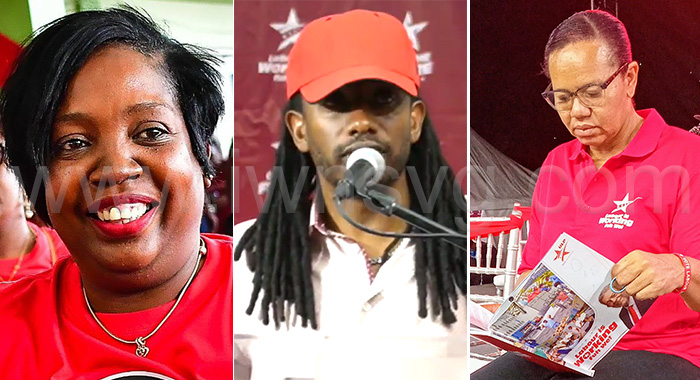
In the aftermath of recent elections, public attention has turned toward several prominent figures whose positions and qualifications warrant examination. Individuals like Chevonne Stewart and Grace Walters now face public speculation about their return to government roles, raising questions about their reintegration into the civil service structures they previously seemed to transcend during their political campaigns.
The phenomenon extends to other recognizable figures, including the once-vocal ‘Candy Man,’ who has resumed his duties as a civil servant while promoting local commerce. His rapid ascent, attributed more to political connections than demonstrated merit, invites scrutiny regarding the sustainability of such careers once electoral fervor subsides.
Particular concern surrounds appointment 705, where managerial authority appears mismatched with educational qualifications. The current manager reportedly holds only a post-secondary diploma while supervising staff with undergraduate and postgraduate degrees—an imbalance that may contribute to persistent operational deficiencies and high staff turnover within the department.
These observations echo timeless wisdom about the nature of qualifications and power. The proverbial notion that ‘dressing a pig in a suit’ cannot alter its fundamental nature serves as a caution against prioritizing political connections over substantive capability. Similarly, the adage that ‘he who pays the piper calls the tune’ underscores concerns about accountability structures within politically influenced appointments.
The discourse concludes with restrained commentary on politically appointed diplomats, acknowledging the complex interplay between political patronage and institutional effectiveness that characterizes post-election governance landscapes.