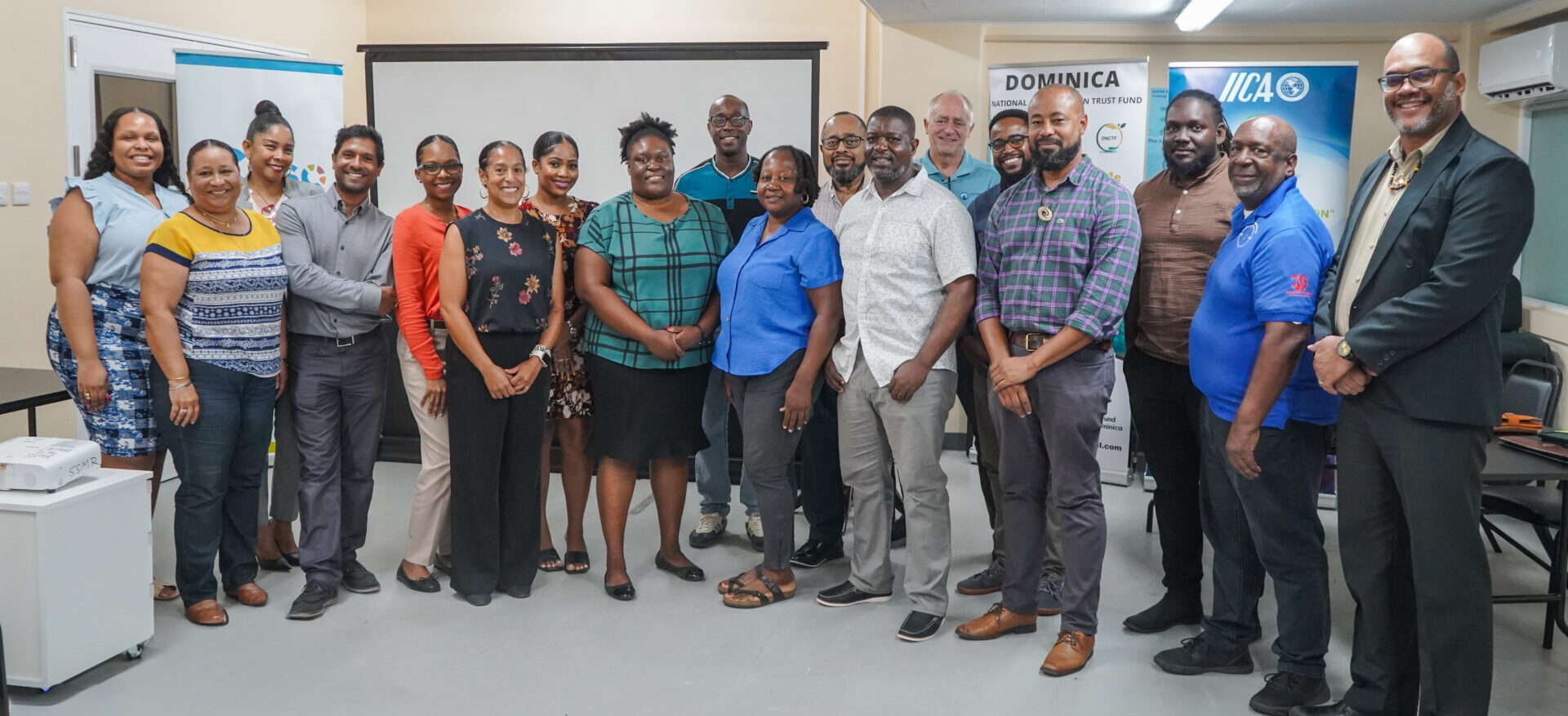
In a historic move for environmental conservation, Dominica’s National Conservation Trust Fund (DNCTF) has officially launched its inaugural grant program, selecting two pioneering projects that merge ecological preservation with gender equality. The December 11th signing ceremony marked a transformative moment in Caribbean conservation financing, channeling support through the Gender Smart Facility—a specialized program under the Caribbean Biodiversity Fund’s CORE Project implemented with Global Affairs Canada.
The selected initiatives, led by the Inter-American Institute for Cooperation on Agriculture (IICA) and the Anse Kouanari Tourism Association (AKTA), represent a dual approach to sustainable development. IICA’s project addresses Dominica’s dependency on imported livestock feed by establishing climate-resilient forage production systems at the Central Livestock Farm. Through distribution of drought-tolerant Brachiaria and Clitoria plant varieties to small-scale farmers, particularly those in the Dominica Livestock Cooperative and National Association of Youth in Agriculture, the project aims to reduce feed costs by up to 60% while rehabilitating degraded lands.
AKTA’s initiative tackles the critical shortage of native plant species essential for reforestation and pollinator habitat restoration. The program will provide comprehensive training in plant propagation and nursery management to rural farmers, with special emphasis on women and youth participation. This approach not only addresses ecological needs but creates sustainable livelihood opportunities in marginalized communities.
Dr. Rhonda Linton, CEO of DNCTF, emphasized the significance of these grants: ‘These first two grants represent a significant moment for Dominica’s conservation landscape. By funding projects that are both community-led and scientifically grounded, DNCTF is ensuring that conservation financing reaches the people and ecosystems that need it most.’
The Gender Smart Facility specifically targets eight Caribbean nations, ensuring conservation and climate adaptation efforts actively promote women’s empowerment and inclusion of marginalized groups. Nayari Diaz, lead of the CORE Project, noted that ‘these projects restore ecosystems and challenge traditional barriers that have kept women out of agricultural decision-making and environmental leadership.’
Canada’s support through Global Affairs Canada was highlighted by Ena Cimic, Second Secretary at the High Commission of Canada to Jamaica: ‘When women have equal opportunities in agriculture and environmental management, everyone benefits. This results in better-protected ecosystems, more resilient communities, and expanded economic opportunities.’
These groundbreaking initiatives establish DNCTF as Dominica’s primary mechanism for financing biodiversity conservation, effectively connecting communities, government agencies, and international donors to foster enduring environmental and socio-economic resilience across the nation.