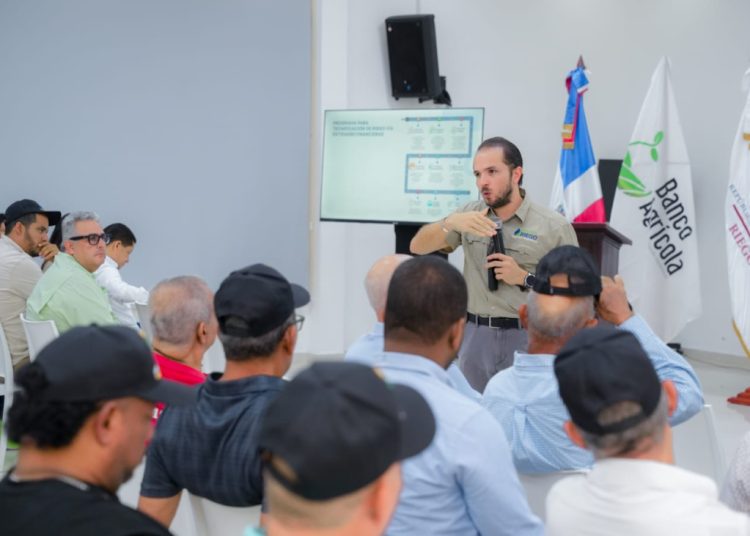
The Dominican Republic’s agricultural sector is embracing renewable energy through a major government-backed initiative. The National Irrigation Technology Directorate (TNR) and the Agricultural Bank (Bagrícola) have announced a new funding round under the Fund for the Promotion of National Irrigation System Technology (Fotesir), specifically targeting agricultural producers in the northwestern provinces of Montecristi and Dajabón.
This program provides substantial non-refundable incentives covering up to 25% of project costs, backed by an investment of RD$23 million (approximately US$390,000). The primary objective is to facilitate the adoption of solar-powered irrigation systems that reduce production expenses, enhance climate resilience, and advance sustainable farming practices across the nation.
Operating under the Bagri-Riego program framework, this initiative will accept applications until February 6, 2026. It represents a strategic effort to modernize Dominican agriculture by decreasing reliance on fossil fuels while promoting environmentally conscious farming methods.
Claudio Caamaño Vélez, Director of TNR, emphasized that solar energy integration is crucial for agricultural modernization. “Photovoltaic technology serves as a transformative tool for reducing energy costs, boosting productivity, and strengthening national food security while simultaneously supporting our environmental commitments,” Vélez stated.
Steven Baldera, Project Coordinator at Bagrícola, revealed enhanced financing terms accompanying the technological incentives. Loan repayment periods have been extended from five to seven years with reduced interest rates, including special provisions of 7% financing for female agricultural producers and zero-interest loans for young farmers.
The program has already generated significant interest nationwide, with hundreds of producers participating. Montecristi and Dajabón now join other regions benefiting from these renewable energy and irrigation technology projects.
Eligibility is restricted to small and medium-scale agricultural producers—both individuals and legal entities—operating in the two northwestern provinces. Projects are limited to 60 kilowatts of installed capacity. Priority consideration will be given to proposals that demonstrate: replacement of conventional energy sources with solar irrigation technology, improved water efficiency, rehabilitation of existing pumping equipment, and measurable reduction of environmental impact. These criteria align with the government’s broader vision for a more competitive and sustainable agricultural sector.