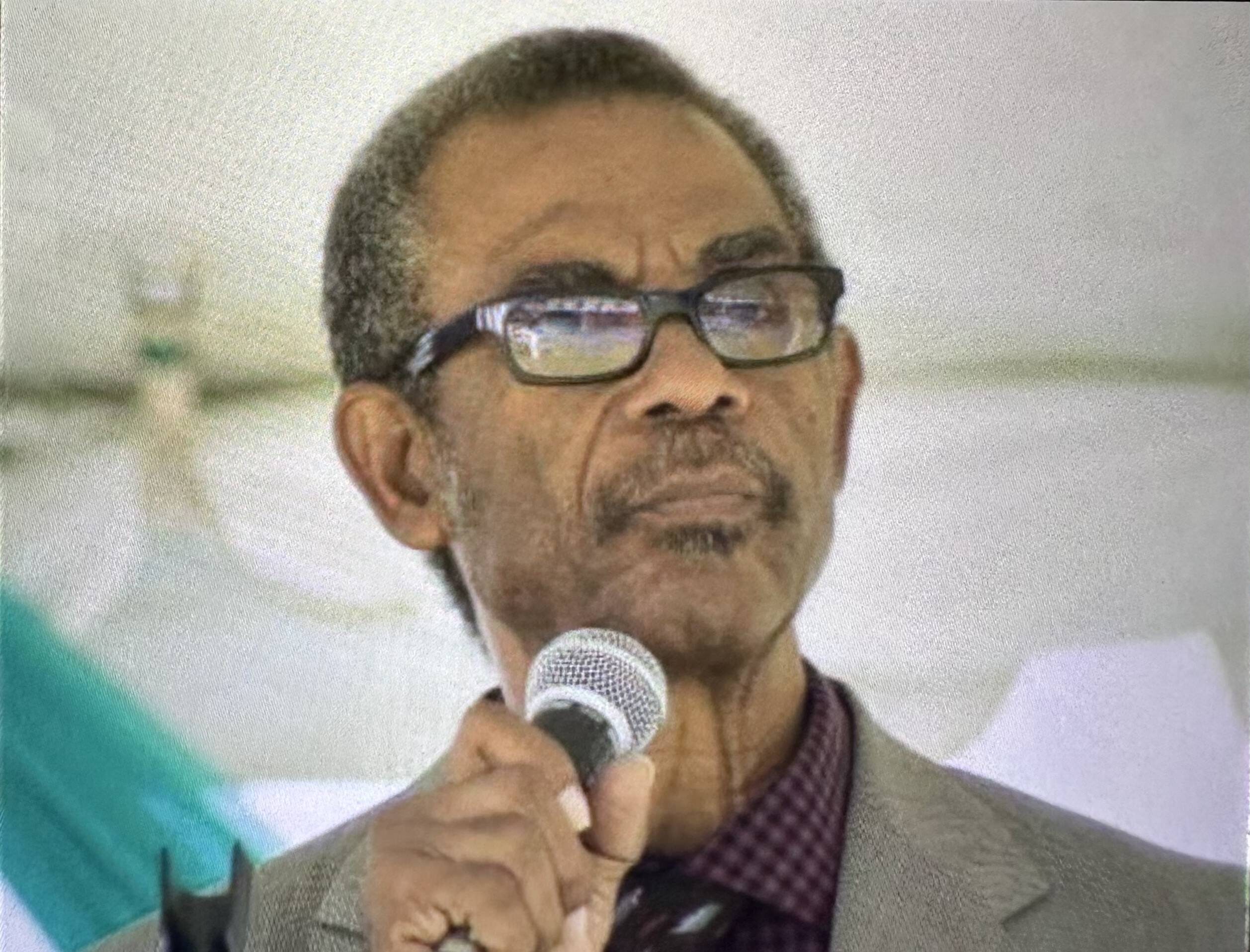
In a significant cultural development for the Caribbean nation, Saint Lucia now boasts an officially recognized Kweyol translation of its national anthem, culminating a thirteen-year journey sparked by one man’s dedication to linguistic inclusion. The project originated in 2009 when Wulstan Charles, a Seventh-day Adventist Church Minister and former educator, recognized that substantial portions of the population struggled to comprehend the English lyrics of the national anthem.
Charles’s awareness of literacy disparities developed through his experiences growing up in various communities across the island and his professional background in education. ‘I became sensitive to the needs of people who are not very literate,’ Charles explained to St Lucia Times. He emphasized that fluency in Kweyol represented its own form of literacy, even for those who couldn’t write the language formally.
The initiative gained momentum through Charles’s work with Praize FM radio station, where he created and continues to host the bilingual program ‘Your Lesson for Today.’ This platform, delivering content in both Kweyol and English, directly informed his approach to the anthem project. Charles believed that providing a Kweyol translation would ‘clarify meaning’ and ensure no citizen felt excluded from this fundamental expression of national identity.
The formal process began in 2016 when Charles presented his translation to the Folk Research Centre, where he serves on the Kweyol Literacy Committee. The government subsequently established a review committee chaired by former Governor General Dame Pearlette Louisy, which refined and officially approved the translation. The Kweyol anthem has since been performed at significant events, including a St Lucia Labour Party rally and by school choirs, marking its integration into national life.
Charles describes the accomplishment as part of a broader collective effort in nation-building. ‘Each person’s role is significant and collectively what we contribute makes all of the difference when we look at the big picture,’ he reflected. Beyond the anthem, Charles sees his work in poetry and radio as continuing conversations about Saint Lucian identity, using Kweyol as a vehicle for cultural preservation and national pride.