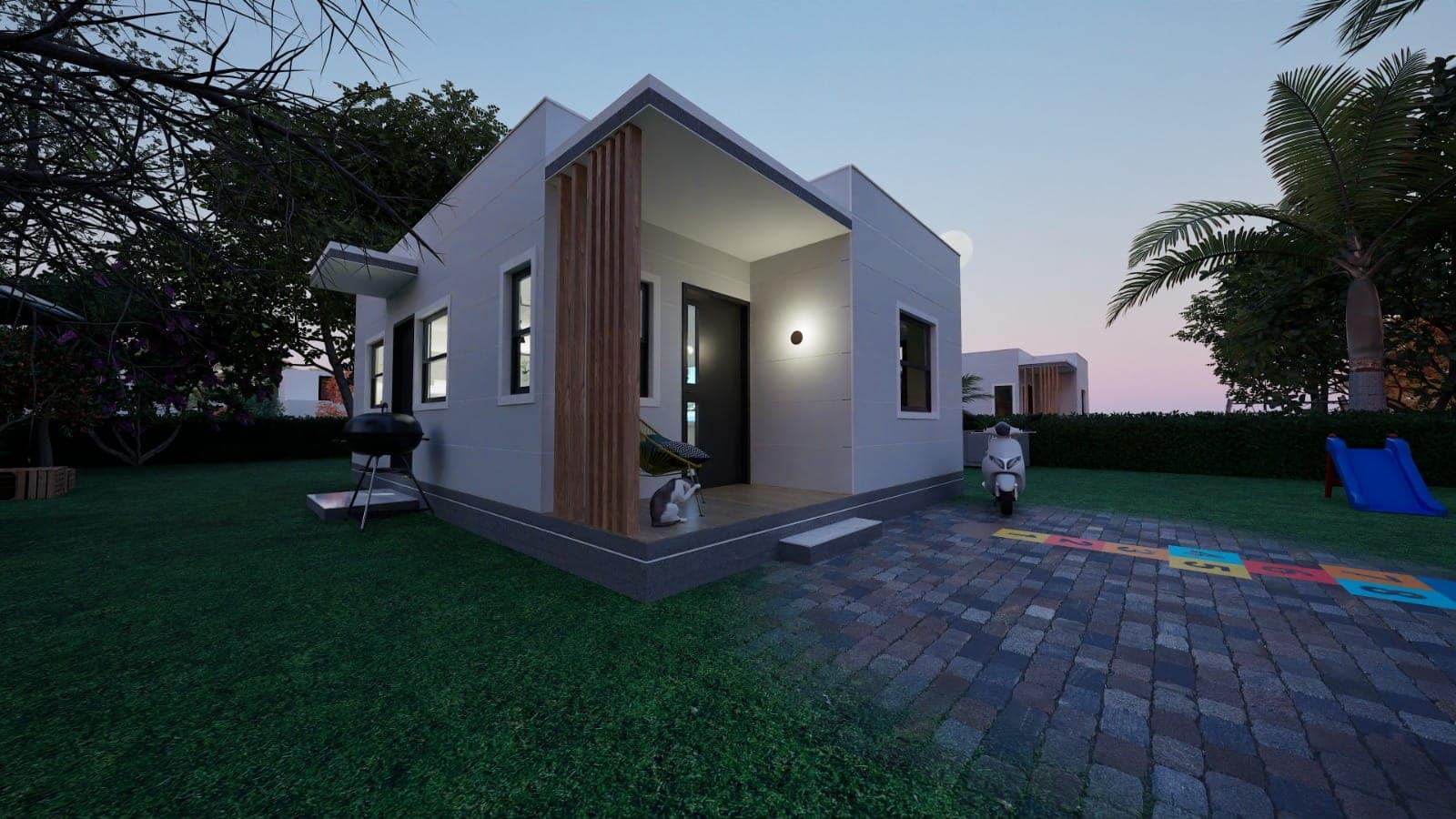
The Antiguan government has initiated a transformative policy shift in its housing strategy, moving from primarily distributing land parcels to directly constructing completed homes for citizens. Housing Minister Maria Browne announced this fundamental reorientation of the Central Housing and Planning Authority (CHAPA) during the recent Budget Debate, signaling a new approach to addressing the nation’s housing challenges.
This strategic pivot responds to a persistent problem where numerous working families acquired land through government programs but found themselves unable to build homes due to financial constraints. Skyrocketing construction expenses, restricted access to affordable financing, and prohibitive interest rates have left countless distributed plots undeveloped despite years of land allocation efforts.
Minister Browne emphasized that CHAPA has recognized land ownership alone cannot resolve housing inadequacies. While property acquisition represented progress, the absence of viable construction options meant many families remained without adequate shelter. The new methodology specifically targets middle-income residents who fall between eligibility for heavily subsidized housing programs and ability to finance private construction.
This policy evolution represents a concerted effort to bridge the gap between property ownership and habitable housing, particularly benefiting long-term renters seeking stability but facing market barriers. Government officials indicate the revised approach aims to align housing initiatives more directly with citizens’ actual living conditions—focusing not merely on land possession but on delivering functional residences.
The housing strategy overhaul is anticipated to integrate into a comprehensive 2026 national housing plan, featuring innovative low-cost home designs and expanded construction initiatives across multiple communities. This holistic approach addresses both infrastructure development and financial accessibility, potentially establishing new benchmarks for affordable housing solutions in the Caribbean region.