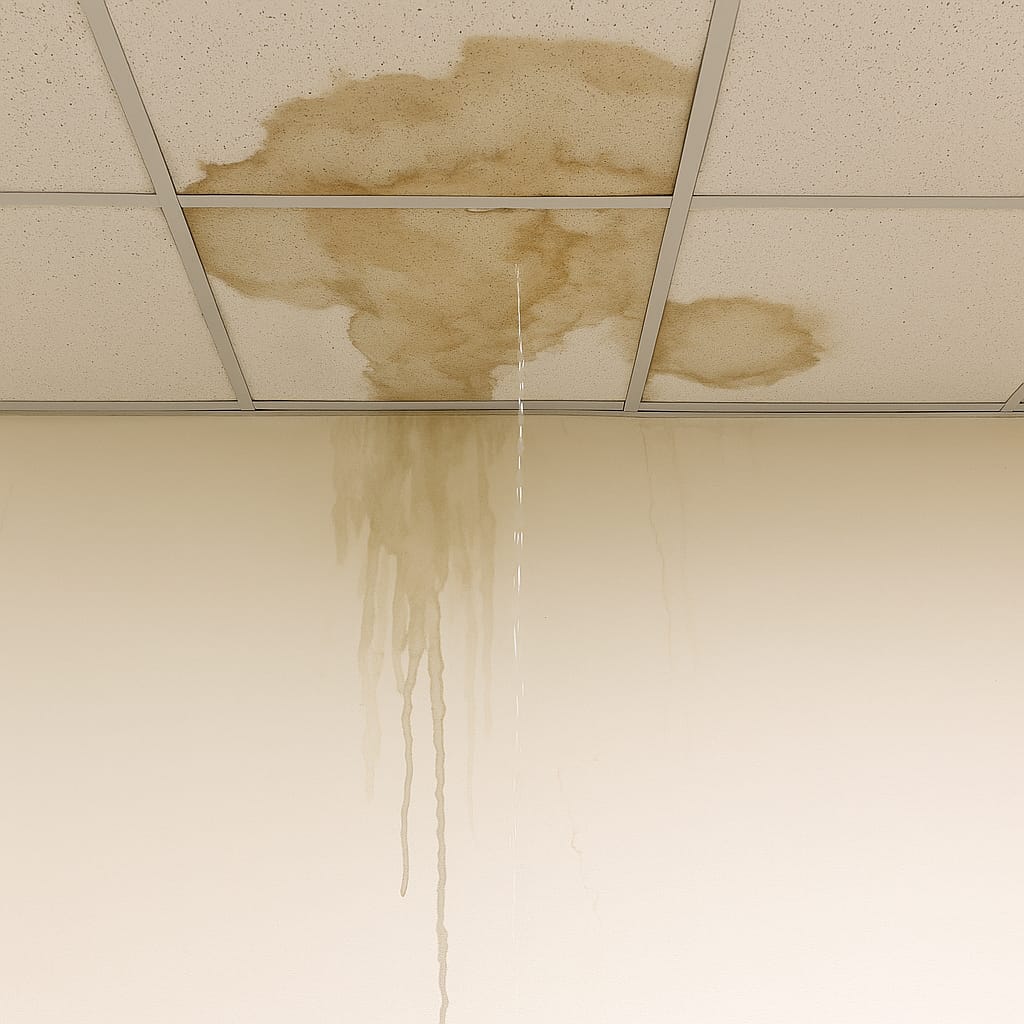
In a significant policy shift, the government has overhauled its approach to repairing leaking roofs on public buildings after an initially deployed specialized sealant failed to meet performance expectations. The disclosure came from Housing and Works Minister Maria Browne during the recent Budget Debate, where she addressed ongoing concerns about mold and air quality issues plaguing government facilities.
The ministry’s initial intervention involved applying a specific sealant compound to combat water intrusion identified as a primary contributor to moisture accumulation and mold proliferation. However, post-application assessment revealed the material’s performance was unsatisfactory, failing to provide the durable barrier required for long-term protection.
This operational setback triggered a comprehensive review process that ultimately led to the adoption of a fundamentally different sealing compound. Technical experts within the Ministry of Works have endorsed the new material as substantially more effective in creating watertight seals that prevent moisture penetration. The upgraded compound has now been standardized across all government roof repair and remediation initiatives.
The material substitution represents a critical component of the broader Public Sector Building Enhancement Programme, which aims to systematically address structural deficiencies and environmental hazards in government-owned properties. Rather than pursuing repetitive temporary patches, the revised protocol emphasizes sustainable solutions that extend structural longevity and improve indoor environmental conditions.
With the 2026 infrastructure work programme approaching, officials emphasize that the revised methodology incorporates valuable lessons from previous repair campaigns. The adaptive approach demonstrates the government’s commitment to evidence-based maintenance strategies and continuous improvement in public asset management.