Barbados’s leading labor organization has issued a strong critique of the government’s proposed minimum wage adjustment, declaring the planned 2% increase insufficient to address the nation’s escalating cost of living. The Congress of Trade Unions and Staff Associations of Barbados (CTUSAB) contends that the January adjustment fails to reflect both economic realities and previous government assurances.
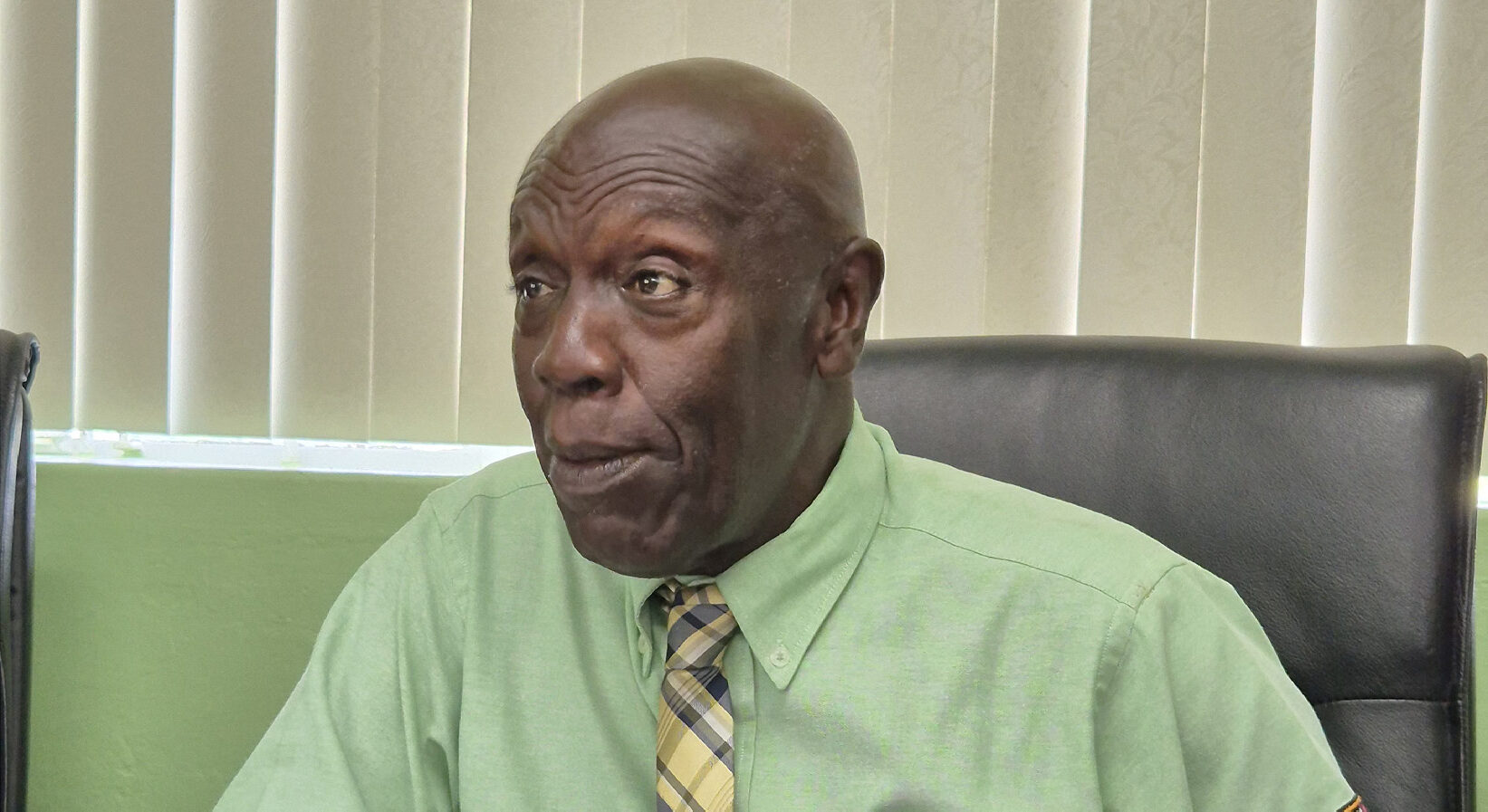
CTUSAB General Secretary Dennis De Peiza emphasized that wage determinations must directly correlate with documented increases in essential expenses including food prices, healthcare, utilities, transportation, and general business operations. The union leader pointed to the government’s own reports of robust fiscal performance—including seventeen consecutive quarters of economic growth and substantial surpluses—as justification for expecting a more meaningful wage enhancement for vulnerable workers.
The scheduled adjustment would elevate the national minimum wage from $10.50 to $10.71 per hour, while security guards would see their industry-specific rate increase from $11.43 to $11.66. This follows a significant June 2025 increase that raised rates from $8.50 and $9.25 respectively.
In defense of the policy, Labour Minister Colin Jordan characterized the increase as a carefully calibrated compromise designed to balance worker support with business sustainability. Minister Jordan outlined the government’s commitment to methodical, evidence-based wage reform, noting that the Minimum Wage Board has commenced analysis of the previous increase’s economic impact and is developing a structured indexation framework informed by international models.
While acknowledging the government’s fulfillment of its promise to implement an increase, CTUSAB maintains that the modest adjustment contradicts the administration’s proclaimed economic achievements. The union body continues to advocate for wage rates that enable vulnerable workers to achieve a decent standard of living, reinforcing its position that both national and sectoral minimum wages require more substantial elevation to match Barbados’s economic trajectory.