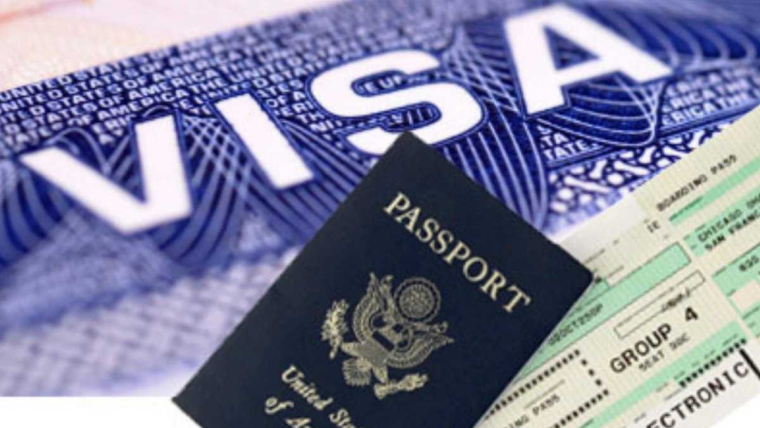
The Trump administration has implemented a significant suspension of residency permit and citizenship application processing for migrants from 19 countries, marking a substantial escalation in its hardline immigration agenda. This policy specifically targets Cuba, Haiti, and Venezuela while encompassing numerous other nations previously subject to travel restrictions.
The suspension comes amid heightened tensions with Venezuela, following an unprecedented U.S. military deployment to the Caribbean that Washington claims targets drug trafficking operations. Venezuelan authorities contend the military movement represents an attempted overthrow of President Nicolás Maduro’s government.
Cuba continues to operate under longstanding U.S. embargo restrictions, while Haiti faces severe humanitarian crises exacerbated by widespread gang violence, making the immigration suspension particularly consequential for citizens of these nations.
According to an official memorandum obtained by AFP, U.S. Citizenship and Immigration Services (USCIS) has halted processing of green cards and naturalization applications for individuals from countries already subject to expanded travel restrictions implemented in June. The comprehensive list includes Afghanistan, Burma, Burundi, Chad, Eritrea, Equatorial Guinea, Iran, Laos, Libya, Republic of Congo, Sierra Leone, Somalia, Sudan, Togo, Turkmenistan, and Yemen alongside the three Latin American nations.
The policy shift follows the fatal shooting of two National Guard members near the White House, with the suspect identified as an Afghan national who entered during the 2021 mass evacuations. Senior administration officials have cited this incident to justify enhanced vetting procedures, emphasizing USCIS’s critical role in preventing potential terrorists from entering the country.
The memorandum explicitly states that national security considerations must take precedence in all screening and adjudication processes, warning that inadequate vetting could endanger American citizens. This position aligns with President Trump’s campaign promise to implement mass deportations and his November 26 declaration to ‘permanently pause immigration from all Third World countries’ to allow systemic recovery.
Homeland Security Secretary Kristi Noem has concurrently advocated for expanding the list of restricted countries, utilizing inflammatory rhetoric on social media platforms to justify implementing stricter immigration bans.