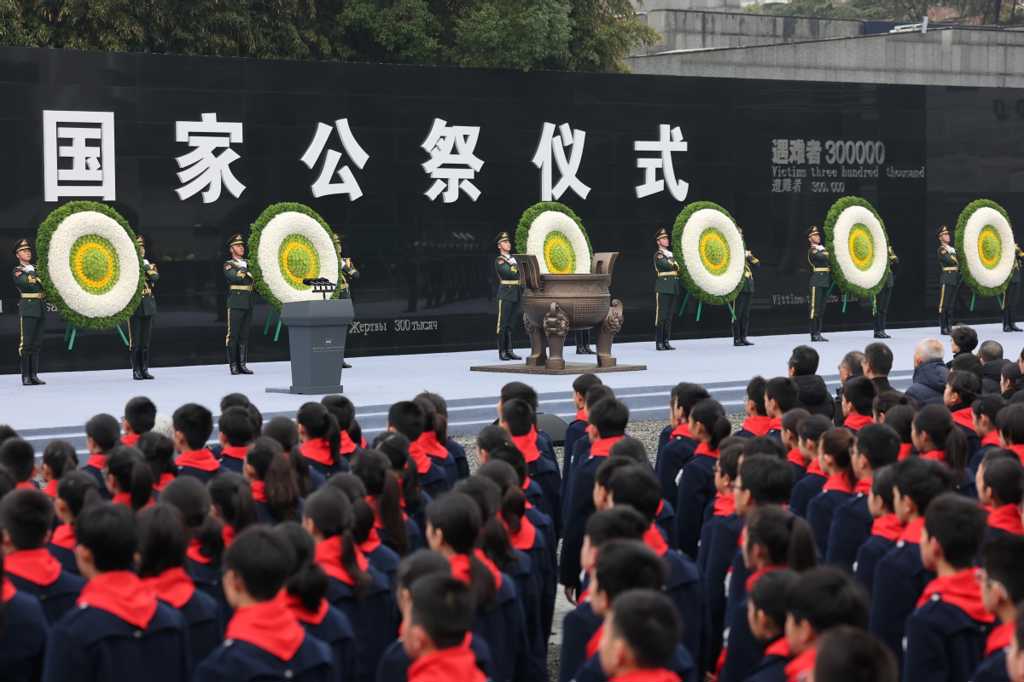
China observed a solemn national memorial ceremony marking the anniversary of the Nanjing Massacre against a backdrop of escalating diplomatic friction with Japan. The commemorations gained heightened significance as Beijing expressed mounting concerns about what it characterizes as resurgent militaristic tendencies in its neighboring nation.
Across the country, citizens observed moments of silence in remembrance of the victims. Urban centers fell quiet as pedestrians paused in respectful tribute, while memorial sites and museums nationwide hosted ceremonies honoring those who perished during the historical tragedy.
The diplomatic climate between the two nations has deteriorated following recent statements by Japanese Prime Minister Sanae Takaichi regarding Taiwan. Foreign Ministry Spokesperson Guo Jiakun reiterated China’s firm rejection of these remarks and emphasized growing apprehension about attempts to historically reinterpret events surrounding Japan’s wartime actions.
Historical context remains central to the current tensions. On December 13, 1937, Japanese military forces captured Nanjing, which served as China’s capital at the time. Over the subsequent six weeks, historical records indicate that more than 300,000 Chinese civilians and disarmed soldiers lost their lives in what became known as the Nanjing Massacre.
Despite decades having passed, the tragedy continues to profoundly impact Nanjing’s residents. The city’s academic institutions, notably Nanjing University, have pioneered peace studies initiatives aimed at fostering reconciliation. These efforts contributed to UNESCO’s designation of Nanjing as an International City of Peace, representing ongoing attempts to transform historical trauma into a message of global harmony amid contemporary diplomatic challenges.