In an extraordinary display of cultural longevity, a song composed in 1969 continues to resonate across generations in the Caribbean nation of Dominica. The heartwarming encounter between composer Bob Maguire and two young girls in a Roseau suburb illustrates the enduring power of musical heritage in shaping national identity.
During a November 2025 visit to Pottersville, Maguire experienced an unexpected moment of recognition when eight-year-old NillyDahlia Ambrose and her three-year-old cousin spontaneously performed his composition ‘Dominica, Land of Such Beauty.’ The children had learned the piece through their Newtown Primary School teacher, Miss Laurant, who incorporated it into Independence Day celebrations for its cultural significance and melodic appeal.
This incident represents just one manifestation of how Maguire’s creation has evolved into what many Dominicans consider their unofficial national song. The work’s journey began during Maguire’s Peace Corps service in 1969, when he was tasked with developing the island’s first social studies curriculum. Despite his limited initial knowledge of Dominican culture, Maguire immersed himself in the island’s traditions, history, and musical expressions.
The composition emerged during an evening on his Pottersville veranda, surrounded by the sounds of domino games and community gatherings. Drawing inspiration from Dominica’s stunning natural landscapes, transitional governance toward independence, and vibrant musical scene—including calypso, Jing Ping bands, and La Peau Cabrit drummers—Maguire crafted a five-verse ballad that incorporated both English and Kreyòl patois.
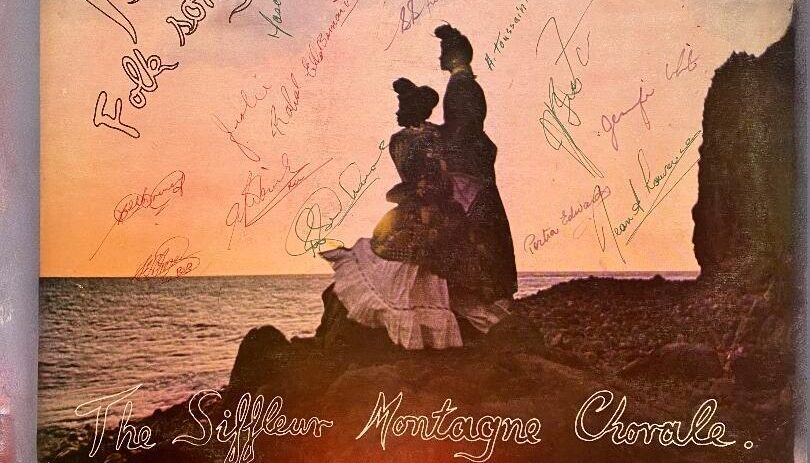
The song found its perfect interpreters through the Siffleur Montagne Chorale, a folk ensemble led by Jean Lawrence that specialized in preserving and performing traditional Dominican music. Lawrence’s arrangement transformed Maguire’s composition into a choral masterpiece that was subsequently recorded on the 1971 album ‘Island Magic: Folk Songs of Dominica.’ This collection became an instant classic both domestically and regionally, particularly in Kreyòl-speaking territories like St. Lucia.
The song’s legacy was further cemented through performances at significant cultural events, including the inaugural CARIFESTA regional arts festival in Guyana in 1972. More than half a century after its creation, the work continues to be taught in schools and performed at national celebrations, serving as a timeless bridge between generations and a testament to music’s power in forging national identity.