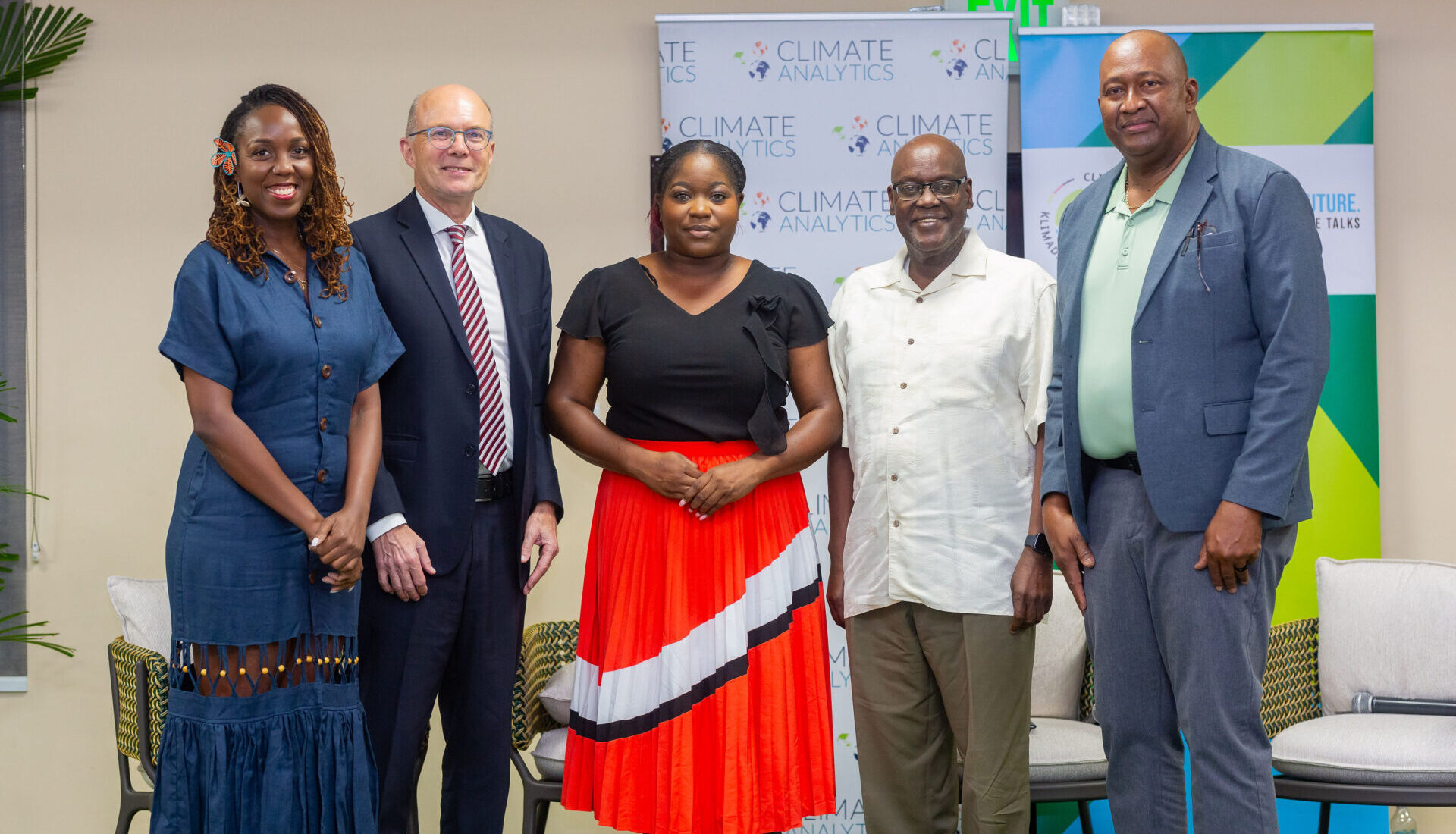
High-level diplomats, climate experts, and youth representatives convened in Grenada on December 4th for the third German-Caribbean Climate Dialogues, aiming to accelerate climate ambition and adaptation strategies following the recent COP30 summit. The high-level forum, held at Grand Anse’s Radisson Hotel, served as a critical platform for assessing COP30 outcomes and strengthening regional resilience efforts, particularly as Grenada continues recovering from 2024’s devastating Hurricane Beryl.
Hosted by German Ambassador and Caribbean Climate Envoy Dr. Christophe Eick, the dialogue emphasized the moral authority of small island developing states in global climate negotiations. Ambassador Eick reiterated Germany’s commitment to supporting Caribbean resilience and clean energy transitions, highlighting new cooperation agreements with CARICOM totaling over €30 million. “Germany proudly leads as the largest Adaptation Fund contributor,” Eick stated, “but largest emitters must move faster to maintain the 1.5°C warming limit.”
UNFCCC Executive Secretary Simon Stiell participated virtually, acknowledging COP30’s cooperative achievements while warning that “ambition without support will falter.” Climate Analytics Caribbean Director Rueanna Haynes provided expert analysis, noting that despite significant advances including tripled adaptation finance targets and the Just Transition mechanism, implementation must progress at unprecedented speeds.
Grenadian climate ambassadors emphasized practical challenges during panel discussions. Special Envoy Safiya Sawney stressed regional unity: “We must treat CARICOM as an investment bloc to shape global decisions affecting our survival.” Dr. Spencer Thomas highlighted climate finance deficiencies, noting that while policies exist, consistent funding frameworks remain elusive.
Youth representative Abigail Ellis of the Caribbean Youth Environment Network demanded greater inclusion: “Young people need access and investment to lead climate action that builds economies for our generation.” Audience participants echoed calls for accountability mechanisms for major emitters and explored climate litigation strategies.
The dialogue concluded with consensus that despite COP30 progress, the global community must undertake more vigorous action. As Haynes summarized, “We have knowledge, evidence, and partnerships—now we need courage to act at the required scale and speed.”