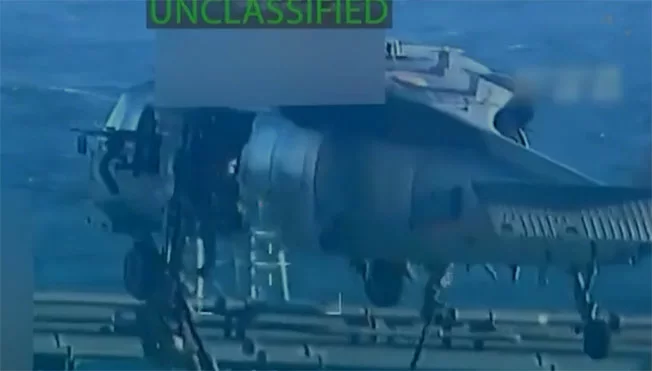
The United States has escalated regional tensions through the dramatic seizure of oil tanker Skipper in international waters near Venezuela. American forces, utilizing helicopters, coast guard vessels, and marines, boarded the vessel on Wednesday in what marks the latest confrontation in ongoing geopolitical struggles over sanctioned oil shipments.
According to U.S. authorities, the Skipper—previously known as Adisa—has been under American sanctions since 2022 for its involvement in oil trading operations benefiting Iran and Lebanese movement Hezbollah. Intelligence indicates the vessel had recently loaded approximately 1.1 million barrels of heavy Merey crude from Venezuela’s José port prior to its interception, based on data from TankerTrackers and sources within PDVSA.
The operation has drawn fierce condemnation from Venezuela’s Maduro government, which characterized the seizure as ‘international piracy.’ Caracas accuses Washington of targeting Venezuela’s oil reserves, which remain barred from global markets due to U.S. sanctions. Venezuelan officials assert this action forms part of a broader American strategy to further isolate the country economically and increase political pressure.
U.S. Attorney General Pam Bondi confirmed the seizure via social media, stating the operation was conducted ‘safely and responsibly’ against a vessel involved in transporting sanctioned oil from Iran and Venezuela. President Donald Trump notably described the captured tanker as ‘the largest ever seized by the United States.’
The incident occurs amid significant U.S. military buildup in the Caribbean region, where tens of thousands of American troops are currently deployed alongside an aircraft carrier with combat jets. Shortly before the seizure, two U.S. fighter jets conducted flights lasting over thirty minutes in the Gulf of Venezuela—notably close to the Venezuelan mainland, though American officials described this as a ‘routine training flight.’
Since September, the U.S. has conducted dozens of armed operations against suspected drug transports in the Caribbean and eastern Pacific, resulting in at least 90 casualties according to American figures.
Complicating the situation, Guyana’s Maritime Administration (MARAD) has confirmed that although the Skipper sailed under the Guyanese flag, the vessel was not properly registered in the country. This represents another case of illegal flag usage, a practice that Guyana says it’s increasingly detecting. MARAD officials emphasized their collaboration with international partners to detect and prevent ship fraud, highlighting the vulnerability of smaller maritime states to identity abuse at sea.