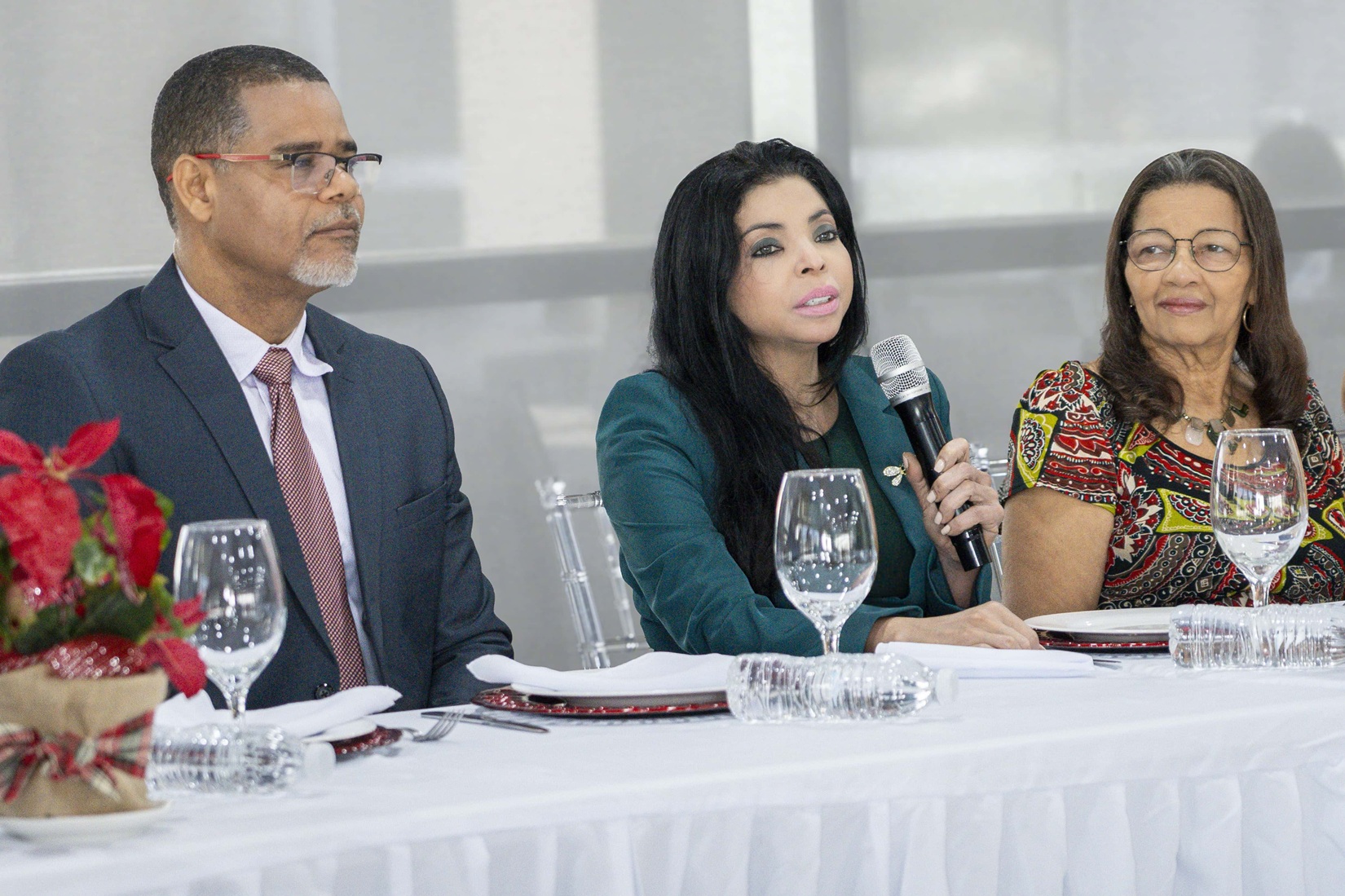
SANTO DOMINGO – In a robust defense of the nation’s judicial overhaul, Dominican Attorney General Yeni Berenice Reynoso has positioned the newly implemented criminal-procedure reform as a landmark advancement for human rights. Declaring it the most protective legal framework in Ibero-America, Reynoso characterized opposition to Law 97-25 as emanating from entities with vested interests, including sectors affiliated with organized crime.
The Attorney General refuted claims that the reform curtails due process, asserting instead that it fortifies judicial equity. A central point of contention involved attempts by critics to mandate private legal representation for filing complaints, a measure Reynoso argued would systematically disenfranchise economically vulnerable citizens from seeking justice.
Reynoso clarified that the legislation does not expand the powers of the Public Prosecutor’s Office beyond their pre-2004 scope but rather refines procedural mechanisms. Key enhancements include extended deadlines for defense arguments, provisions for counter-expert evaluations, and the expanded application of plea agreements across all trial phases. Furthermore, the code introduces structured sentencing guidelines to promote legal predictability, enshrines a comprehensive charter of victims’ rights, and integrates stronger legal instruments to combat organized criminal networks.
Emphatically challenging detractors, Reynoso invited scrutiny to identify any specific power granted to prosecutors that did not exist two decades ago. The reform took immediate effect upon promulgation, with prosecutors swiftly applying its statutes in active cases, notably in the high-profile ‘Operation Cobra’ corruption investigation.