As the festive season envelops Trinidad and Tobago, a compelling movement toward sustainable celebration and local economic support is gaining momentum. Beyond the imported commercial decorations and familiar Christmas carols, a deeper narrative about conscious consumption and community solidarity is emerging.
While traditional economists highlight the seasonal boost in retail employment and tourism revenue—with Christmas accounting for nearly 20% of annual income in Western nations—this consumer frenzy carries significant drawbacks. Financial strain, environmental waste, and post-holiday economic slumps (extended locally until after Carnival in February) present substantial challenges, particularly for financially vulnerable families.
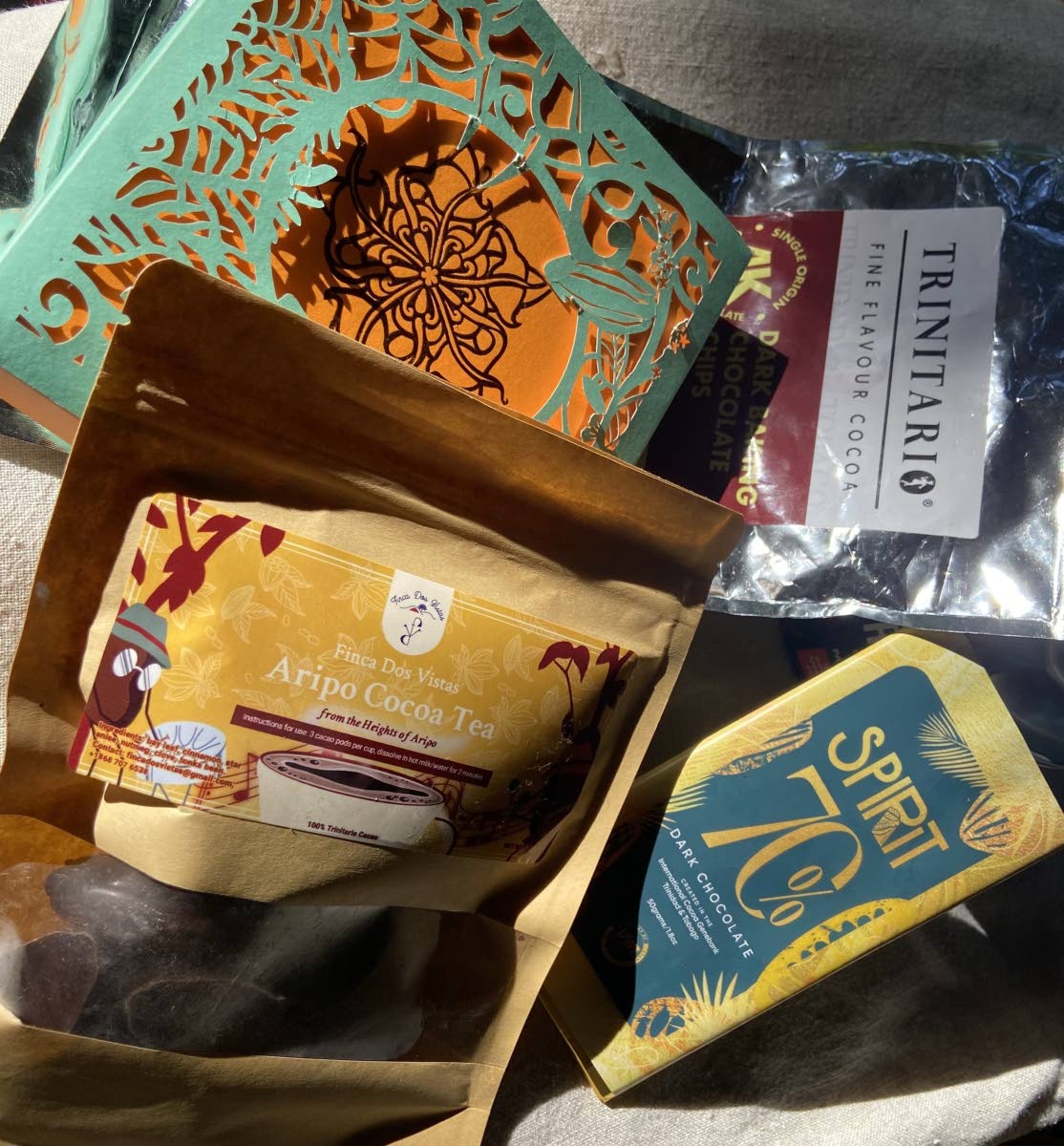
In response, Trinidadians are rediscovering the exceptional quality of locally produced goods. The islands boast what many consider the world’s finest chocolate, derived from unique Trinitario cocoa beans. Artisans like Cocobel and Aripo’s Fina Dos Vistas transform this premium commodity into exquisite drinking chocolate and artisanal bars infused with local spices and fruits.
The shift toward sustainability manifests through various gifting alternatives:
Handcrafted items range from Chase Village pottery and custom leather sandals by Drag Brothers to wooden furniture crafted by Evan Samuel and Philip Arthur using fallen tropical hardwoods. Local artists like Catherine Dookie offer miniature architectural replicas, while ceramicists like Greta Joachim produce functional art pieces.
Edible gifts showcase Trinidad’s culinary diversity: homemade pepper sauces, tamarind chutneys, Alicia’s eggless punches, and traditional ponche de creme. The practice of creating personalized hampers with local honey, sorrel, and fruitcakes supports both recipients and small producers.
Living gifts represent perhaps the most sustainable option. Nurseries nationwide offer everything from ornamental petrea shrubs to productive citrus trees. Many families now gift seedlings or potted herbs instead of cut Christmas trees, creating lasting environmental benefits.
Community-focused initiatives include grocery chains organizing donation programs for necessity hampers, while the Animal Welfare Network sells calendars to fund rescue operations. Pop-up markets provide platforms for micro-entrepreneurs offering unique, handmade products that rarely reach conventional retail spaces.
This approach transforms Christmas from a period of excessive consumption into an opportunity to celebrate local craftsmanship, strengthen community bonds, and reduce environmental impact—all while enjoying what many consider the world’s finest chocolate, grown right in Trinidad’s rich soil.