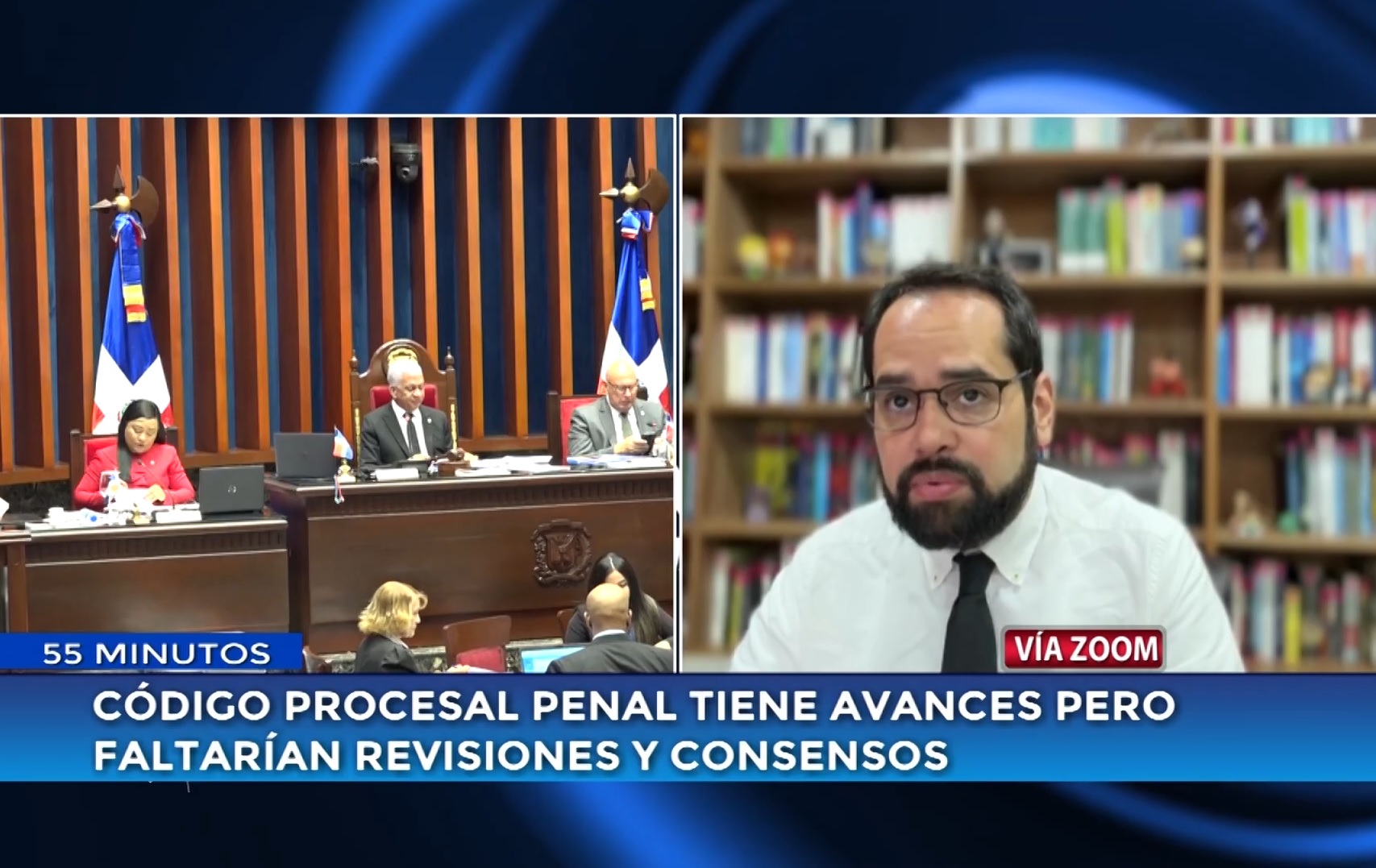
SANTO DOMINGO – Prominent legal expert Francisco Álvarez Martínez has issued a stark warning regarding the Dominican Republic’s hastily implemented Criminal Procedure Code (CPP), asserting that its accelerated adoption threatens to unleash a flood of constitutional challenges. The distinguished jurist contends that the legislative process suffered from inadequate debate, inconsistent amendments between parliamentary chambers, and a complete absence of the customary transitional period (vacatio legis), fundamentally compromising the law’s legitimacy.
During an appearance on CDN’s analytical program ’55 Minutos,’ Álvarez revealed that despite years of deferred discussions on judicial reform, the final legislation was pushed through with exceptional speed. This accelerated timeline prevented thorough technical evaluation and marginalized crucial contributions from civil society organizations. The expert noted that the continuous textual modifications during inter-chamber negotiations have not only diminished public trust in legislative integrity but also implanted fundamental structural deficiencies within the legal framework.
Álvarez cautioned that these inherent vulnerabilities may collapse under judicial examination. The immediate implementation has compelled legal practitioners and judiciary members to apply intricate, untested statutes without adequate printed guidelines or professional training initiatives. This situation generates substantial legal unpredictability and imposes exceptional strain on both legal professionals and defendants within the justice system.
The scholar highlighted that ongoing court proceedings—including significant corruption prosecutions—now demand nuanced interpretation. Judicial authorities must simultaneously evaluate both previous and updated procedural regulations to identify which framework offers stronger protections for defendant rights, consequently escalating judicial workloads and potentially prolonging litigation timelines.
While acknowledging certain progressive elements such as expanded victim protections, Álvarez emphasized that the failure to harmonize the Penal Code with the new CPP represents a squandered opportunity that might provoke enduring legal conflicts. The constitutional expert concluded that judicial review appears inevitable unless legislators undertake substantive revisions to ensure alignment with established legal doctrines and precedent.