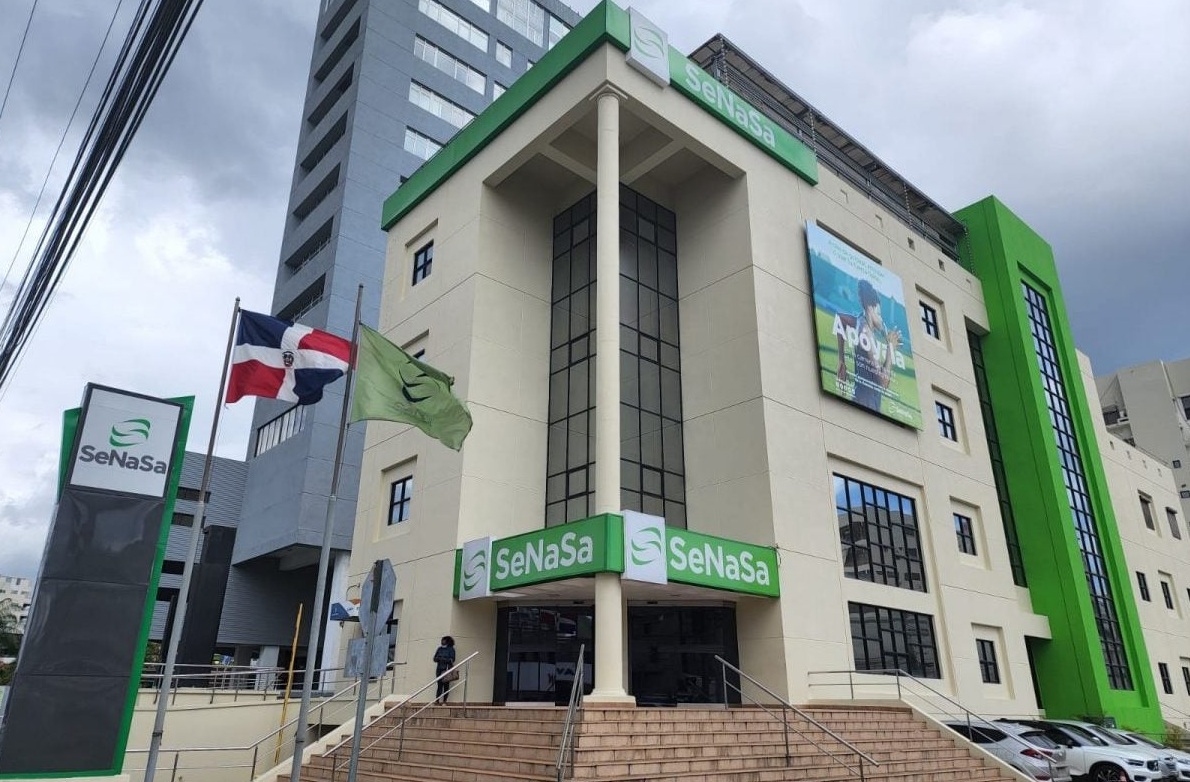
SANTO DOMINGO – A major corruption scandal at the National Health Insurance Agency (Senasa) has triggered a rare unified demand from both governing and opposition senators for a comprehensive investigation with no special protections for the accused. The case centers on allegations that a parallel decision-making structure was established within the institution to orchestrate large-scale fund diversion.
During intense legislative discussions, a bipartisan consensus emerged that the judicial process must proceed impartially, disregarding the political stature or connections of the ten individuals implicated. The Public Prosecutor’s Office has charged former executive director Santiago Hazim and others with a litany of crimes, including manipulating provider authorizations, fabricating documents, and altering official financial statements to facilitate the embezzlement scheme.
Senate President Ricardo de los Santos characterized the situation as a definitive test of the administration’s anti-corruption pledge, asserting that no ‘sacred cows’ would be exempt from scrutiny. He invoked President Luis Abinader’s often-repeated mantra of having ‘friends, not accomplices’ to underscore transparency as a cornerstone of government policy.
Governing party legislators unanimously reinforced this stance. Senator Julito Fulcar emphasized the necessity of upholding due process for all defendants, while Senator Alexis Victoria Yeb revealed he had flagged institutional irregularities over a year ago, interpreting the current probe as proof of the government’s non-interference in judicial affairs. The principle of unconditional accountability was further echoed by Senators Antonio Taveras and Ginette Bournigal, the latter noting the justice system’s increasing robustness in penalizing official misconduct.
The opposition echoed these calls for rigor. Fuerza del Pueblo Senator Eduard Espíritusanto condemned the scandal as a profound disgrace, demanding zero tolerance for corruption that jeopardizes public health and insisting the investigation must reach its ultimate conclusion, irrespective of where it leads.