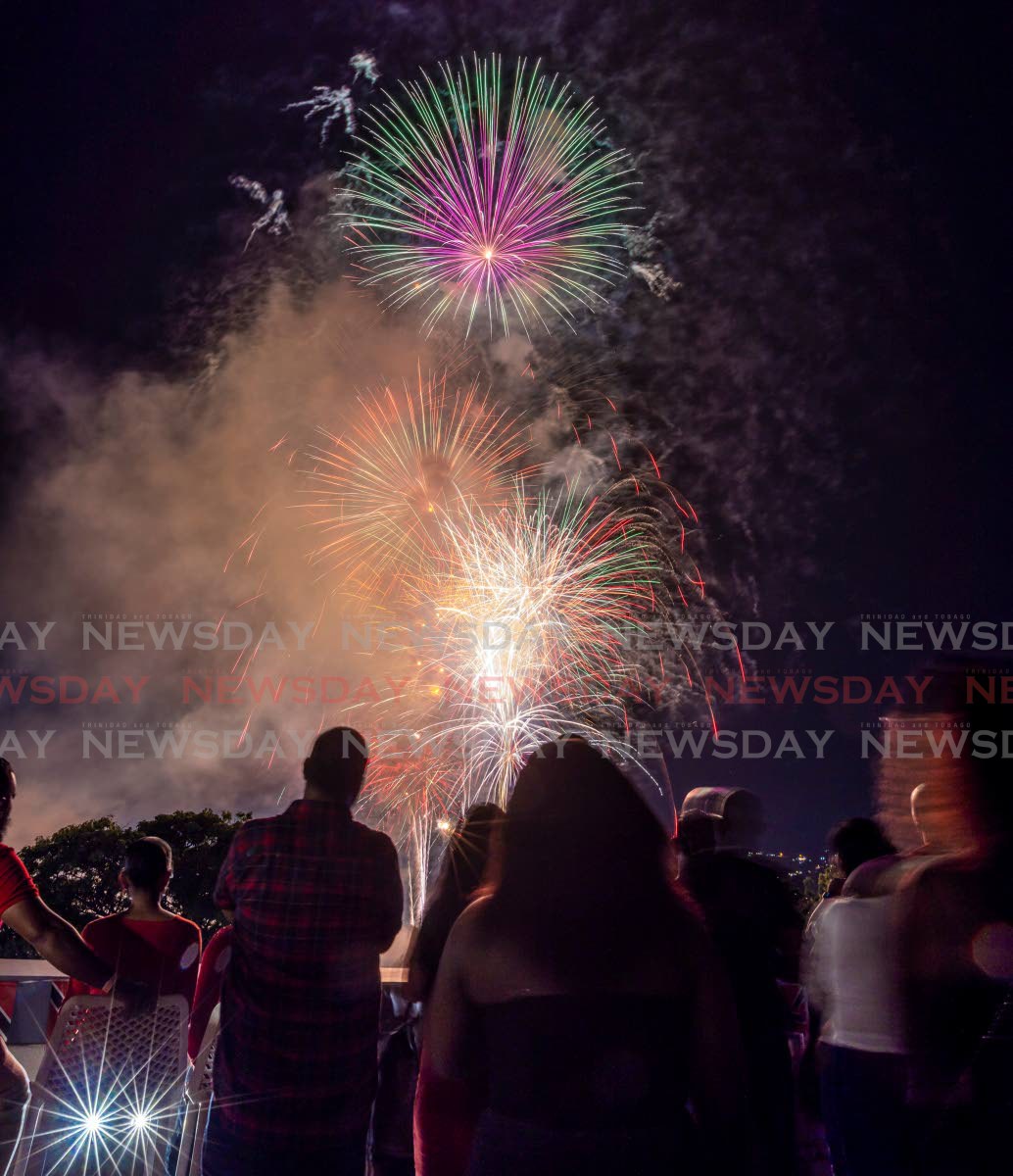
In a historic legislative move, Trinidad and Tobago’s House of Representatives has unanimously approved the Summary Offences (Amendment) Bill, 2025, establishing comprehensive regulations for fireworks usage through a permit system. The decisive 38-0 vote on December 9 marks a significant shift in public safety policy regarding explosive celebrations.
Attorney General John Jeremie, championing the legislation, emphasized that fireworks represent more than celebratory items—they constitute serious explosive devices capable of causing substantial damage, injury, and even fatalities. The bill emerges from growing concerns over public safety incidents, including a recent tragedy involving a newborn’s death in October attributed to fireworks misuse.
The legislation introduces a structured permit system administered by the Commissioner of Police, prohibiting individuals under 18 from obtaining permits. It mandates advance notification to the Fire Service 14 days prior to any fireworks display and establishes explicit restrictions regarding locations, specifying half-mile exclusion zones around hospitals, airports, zoos, animal shelters, farms, and protected natural areas.
Notably, the bill preserves traditional celebration windows, allowing firework usage without permits on public holidays from 8-9 PM and on December 31 from 11:30 PM to 12:30 AM. Enforcement mechanisms include fixed penalty notices, with provisions for contesting tickets through the District Criminal and Traffic Court.
The legislative process began in 2020 with a comprehensive law reform commission review, culminating in a 2021 draft that incorporated public feedback. A groundbreaking evidentiary provision allows video recordings from mobile devices as admissible evidence in enforcement cases.
While opposition MP Symon De Nobriga expressed support for the bill, he raised concerns about enforcement practicality, potential video evidence manipulation, and the need for stronger regulations regarding fireworks sales to minors. He additionally highlighted possible conflicts with traditional celebration venues like Queen’s Park Savannah, which falls within restricted zones near medical facilities and the zoo.
The legislation represents a balanced approach between cultural traditions and public safety, aiming to mitigate risks while preserving celebratory practices under controlled conditions.