The Pan American Health Organization (PAHO) has issued a critical advisory to nations across the Americas and the Caribbean, calling for immediate adjustments to health service preparedness and response strategies. This urgent directive coincides with the Northern Hemisphere’s entry into its annual period of elevated circulation of influenza and other respiratory pathogens.
Citing a recent epidemiological alert, PAHO emphasized that a multi-faceted approach is essential to mitigate disease burden. This strategy hinges on robust vaccination campaigns, enhanced surveillance systems, fortified hospital readiness, guaranteed access to timely diagnostics and therapeutics, and the strict adherence to personal preventive measures. The organization warns that these combined actions are vital for safeguarding vulnerable demographics and preventing health systems from becoming overwhelmed.
Current epidemiological data indicates a global surge in influenza activity, primarily driven by Influenza A viruses. North America is experiencing a sustained uptick in cases, while transmission levels in other parts of the Americas remain comparatively lower. A geographical variance in viral subtypes is also evident. The Caribbean and Central American regions are reporting a predominance of the A(H1N1)pdm09 strain. Conversely, Canada and the United States are observing greater circulation of the A(H3N2) subtype, including a progressive increase in the K subclade—a variant already widespread in Europe and Asia.
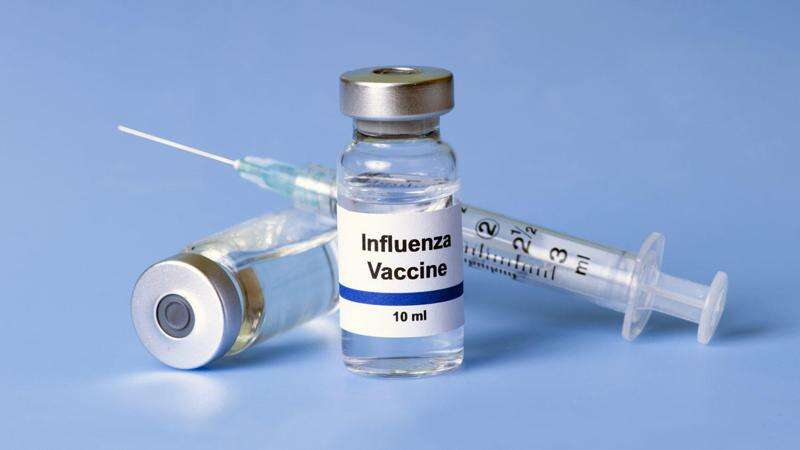
While no significant increase in clinical severity has been documented to date, PAHO notes that historical trends show seasons dominated by A(H3N2) typically result in more severe outcomes for older adults. Preliminary evidence suggests that the current influenza vaccine maintains a level of protection consistent with previous seasons, particularly in averting severe illness and hospitalization.
PAHO’s recommendations extend to strengthening integrated surveillance for Influenza, Respiratory Syncytial Virus (RSV), and SARS-CoV-2. The organization insists on continuous data reporting and the regular submission of samples for genomic sequencing to promptly identify any emerging variants that could enhance transmissibility or disease severity.
Furthermore, nations are reminded of their obligation under the International Health Regulations (IHR) to promptly investigate and report any unusual respiratory events. This includes clusters of severe cases with an unidentified etiology or outbreaks occurring outside of expected seasonal patterns.
Additional guidance calls for a review and modernization of national clinical management protocols. Health services are advised to ensure unimpeded access to early diagnostic testing and to guarantee a stable supply of antiviral medications for high-risk individuals. Hospitals, in particular, must prepare for a potential concurrent surge in hospitalizations during the winter months when multiple respiratory viruses co-circulate.
Reiterating a cornerstone of public health defense, PAHO underscored the paramount importance of vaccination against influenza, COVID-19, and RSV for priority groups. This includes older adults, individuals with chronic comorbidities, pregnant women, young children, and frontline healthcare personnel. For COVID-19, booster doses are recommended for these priority groups every six to twelve months.
Finally, PAHO affirmed that foundational personal hygiene practices—including frequent handwashing, proper respiratory etiquette, and self-isolation when experiencing fever or respiratory symptoms—remain essential for limiting community transmission of all respiratory viruses.