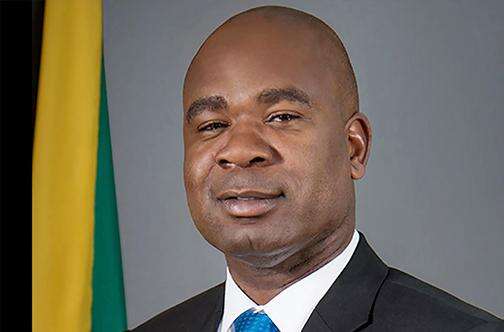
KINGSTON, Jamaica — A significant constitutional confrontation has emerged between Jamaica’s parliamentary system and its anti-corruption watchdog. Government MP Zavia Mayne, representing St Ann South West, has initiated Supreme Court proceedings against the Integrity Commission and three of its senior directors: Craig Beresford, Roneiph Lawrence, and Kevon Stephenson.
The legal challenge, filed as an application for judicial review on Monday, represents a direct response to an investigative report presented to the House of Representatives last week. That document had recommended criminal charges against Mayne for allegedly failing to disclose financial information regarding companies with which he maintains associations, without demonstrating reasonable cause for such omission.
At the heart of Mayne’s constitutional argument lies a multi-faceted legal offensive. The parliamentarian seeks to invalidate both the investigation report dated July 14, 2025, and the subsequent ruling from the director of corruption prosecution that he face charges under Section 43(1)(b) of the Integrity Commission Act.
The suit advances several substantive claims regarding constitutional overreach. Mayne contends the commission violated his right to privacy through unauthorized disclosure of investigative details, including personal information and the fact that his case had been referred to prosecutors. These actions, the filing argues, directly contravened constitutional protections enshrined in Sections 13(3)(j)(ii) and 13(3)(j)(iii) of Jamaica’s Charter of Fundamental Rights and Freedoms.
Furthermore, court documents reveal Mayne’s assertion that the commission breached principles of natural justice by issuing adverse recommendations without affording him adequate opportunity to respond—a procedural requirement mandated by both common law and Section 16(2) of the Charter. The MP characterizes the investigative process as fundamentally flawed, describing the findings as “unfair, unreasonable and irrational” while claiming violation of his legitimate expectation to procedural fairness.
The comprehensive legal action seeks multiple declarations regarding violations of natural justice principles. Additionally, Mayne is pursuing substantial financial compensation including stigma damages, aggravated and vindicatory damages, compensation for negligent investigation, and full legal costs—creating a potentially precedent-setting case regarding the limits of anti-corruption authorities’ powers.