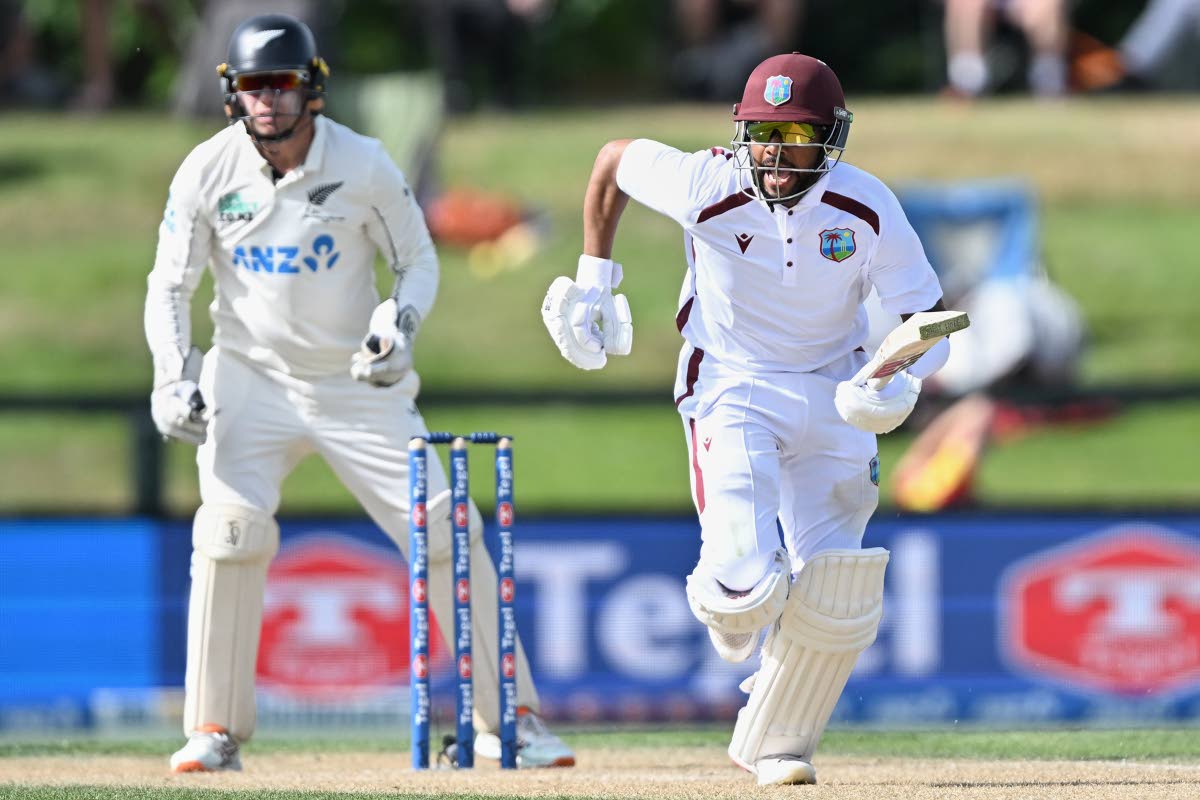
In one of Test cricket’s most remarkable fourth-innings performances, West Indies batsman Justin Greaves engineered an extraordinary comeback to secure an improbable draw against New Zealand at Christchurch’s Hagley Oval. The dramatic turnaround unfolded on December 6th as Greaves, batting at number six, crafted an unbeaten 202 runs to defy New Zealand’s bowling attack and rescue his team from certain defeat.
The match situation appeared hopeless when Greaves joined Shai Hope at the crease with the scoreboard reading 72/4, chasing an insurmountable target of 531 runs. With over two sessions remaining on day four and the entire final day to survive, even the most optimistic Caribbean supporters had conceded defeat. However, what followed was a masterclass in determination and technical proficiency.
Hope provided crucial support with a magnificent 140 before his dismissal, but the real drama unfolded through Greaves’ partnership with unlikely hero Kemar Roach. The 37-year-old fast bowler, possessing a Test batting average below 12, displayed unexpected resilience as he supported Greaves through the critical final stages. Their partnership transformed from mere resistance to genuine match-saving brilliance.
The match context made Greaves’ achievement particularly significant. West Indies had won the toss and elected to bowl first on a moisture-laden pitch that initially favored seam movement. New Zealand posted 231 in their first innings, with the visitors struggling to 167 in response. The Black Caps then dominated the second innings with Rachin Ravindra (176) and captain Tom Latham (145) building what appeared to be an impregnable position.
Greaves’ innings marked him as only the seventh West Indian batsman to score a double-century in a Test match’s fourth innings. His performance demonstrated both sensible shot selection and growing self-assurance, particularly impressive given his recent inconsistent form. The Barbadian right-hander tempered his natural stroke-play with disciplined defense and selective aggression, showcasing the technical adaptability required for Test cricket’s varying conditions.
The drawn result represents a significant moral victory for West Indies, whose Test performances in recent years have frequently drawn criticism. This display of character and resilience against one of world cricket’s strongest home teams suggests promising development within the squad. Greaves’ historic innings, supported by Hope’s consistency and Roach’s determination, provides a blueprint for future success and reinforces the timeless cricket adage about the game’s “glorious uncertainties.”