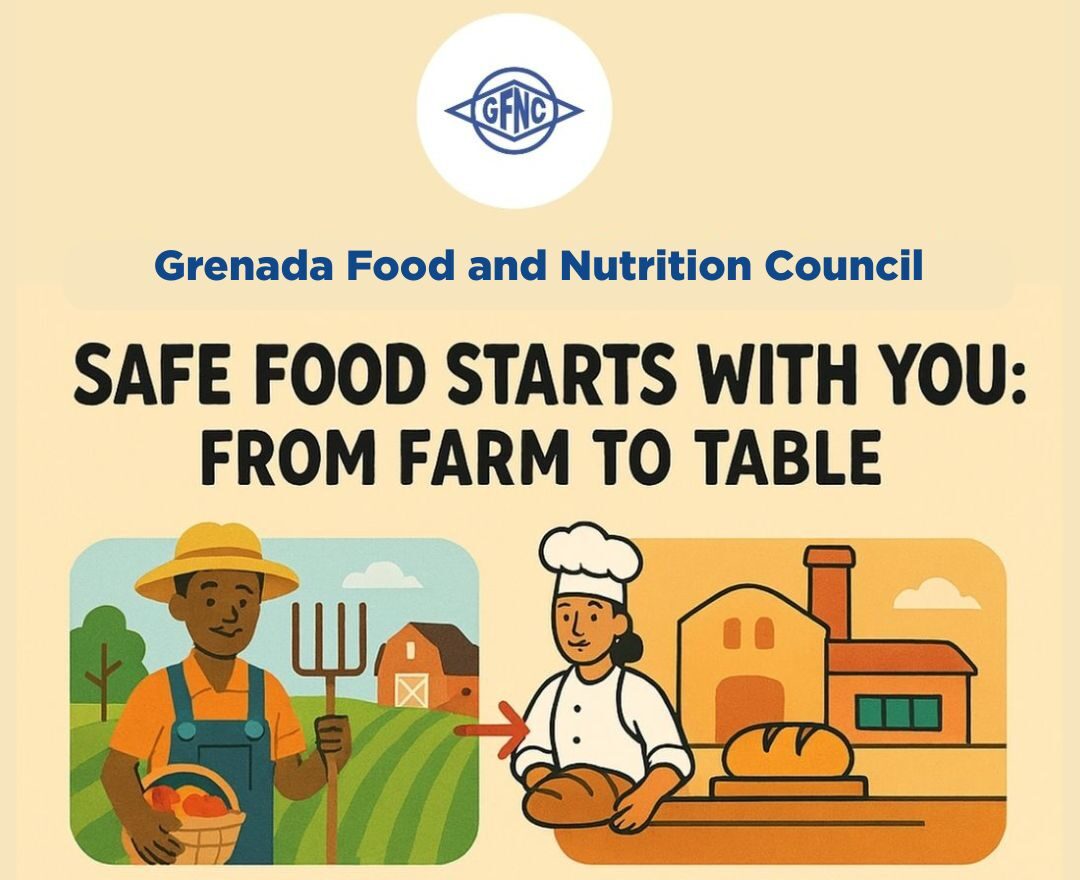
Grenada is mobilizing a nationwide initiative to transform food safety from a health precaution into a comprehensive national strategy. This effort engages every segment of the food supply chain—from agricultural production to consumer practices—to safeguard public health, enhance export competitiveness, and protect the island’s vital tourism industry.
At the production level, farmers and fishermen constitute the first defense line. Their adherence to hygienic handling of crops, livestock, and seafood establishes the foundation for everything that follows. The use of clean irrigation water and contamination-free storage methods is particularly crucial for Grenada’s signature exports, including spices, cocoa, and fresh fruits.
Processing facilities—including bakeries, spice processors, and juice manufacturers—serve as critical intermediaries. These operations are implementing Hazard Analysis and Critical Control Points (HACCP) principles to systematically identify and mitigate potential hazards before products reach markets. This adoption of international standards not only protects consumers but also positions Grenadian products favorably in global trade.
The distribution and retail sector functions as the final checkpoint before food reaches consumers. Supermarkets and distributors bear responsibility for maintaining cold chains, ensuring proper storage conditions, and providing accurate labeling. Any failure in these areas can compromise the entire safety system, making retail establishments crucial guardians of public trust.
Consumers complete the safety cycle through proper food handling practices in homes. Simple measures including thorough handwashing, adequate cooking, and adherence to storage instructions transform food safety from a regulatory requirement into a community-wide culture of protection.
Grenada’s strategy incorporates internationally recognized frameworks including the European Union’s Regulation (EC) 852/2004 alongside HACCP methodologies. This integrated approach promises significant national benefits: reduced foodborne illnesses, strengthened export credentials for agricultural products, and enhanced reputation as a premium tourism destination. The Grenada Food and Nutrition Council (GFNC) spearheads this comprehensive effort, recognizing that food safety represents both a public health imperative and an economic investment in the nation’s future.