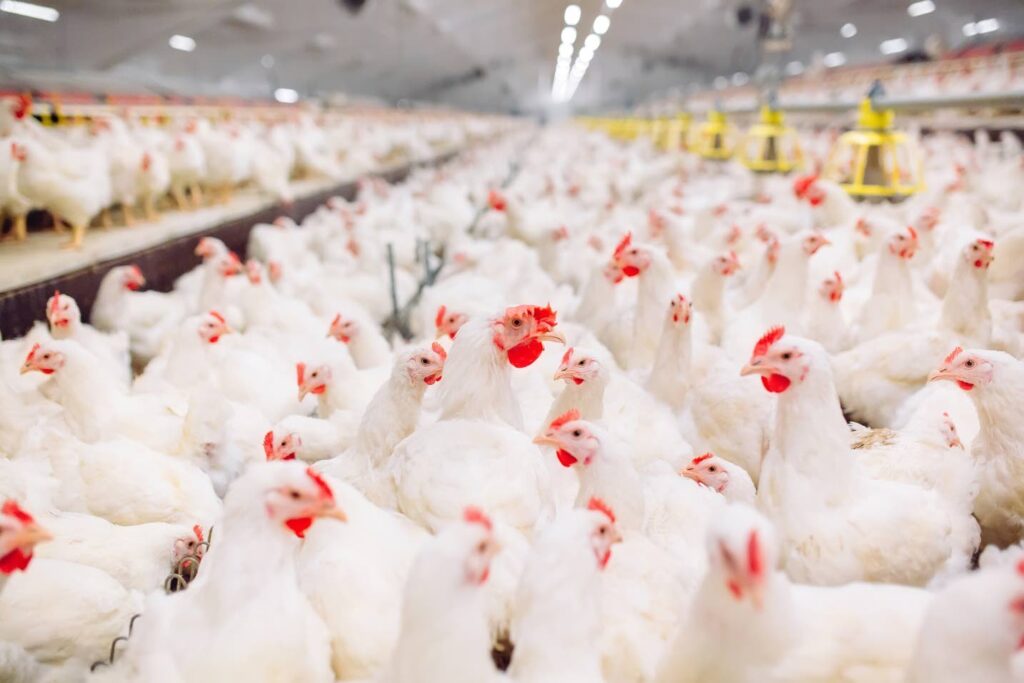
A prominent Jamaican biologist has issued an urgent call for public vigilance following the confirmed avian influenza outbreak in the Cayman Islands, which authorities believe was introduced through migratory birds. Damion Whyte, an assistant lecturer at The University of the West Indies’ Department of Life Sciences and wildlife expert, is urging Jamaicans to report any sightings of ill or behaving unusually birds to prevent potential spread.
Whyte emphasized proper protocols in a social media video: ‘If you see a sick bird, put on gloves if you have to move it, and get that information to the authorities.’ He specifically mentioned contacting Jamaica’s Ministry of Agriculture’s Veterinary Division, the National Environment and Planning Agency (NEPA), Bird Life Jamaica, or directly messaging him through his social media platform @roostersworldja.
The Cayman Islands outbreak, first detected on November 28 at a West Bay farm on Cemetery Road, has resulted in the culling of 69 birds after the virus was identified in chickens, quail, farmed ducks, a wild whistling duck, and a goose. According to the Cayman Compass newspaper, Senior Veterinary Officer Dr. Tiffany Chisholm confirmed that genetic tracing conducted with UK support matched the strain to the H5N1 variant currently circulating in North America.
‘We are fairly confident that it was either brought in by the migratory birds or it was transmitted via chickens that had been exposed to them,’ Dr. Chisholm stated during a virtual meeting with farmers. ‘The reality around the world is that migratory birds have played one of the biggest roles in introducing this virus to most countries.’
Whyte, a former president and current executive member of Bird Life Jamaica, explained that migratory birds typically arrive in the Caribbean from North America between September and May. These birds, often called ‘Christmas birds’ locally, can carry avian influenza without showing symptoms and transmit the virus through water, saliva, feathers, or when infected carcasses are consumed by predators.
Jamaican health authorities have confirmed they are monitoring the situation and maintaining existing surveillance systems. The Veterinary Division continues animal surveillance while simultaneously conducting testing for flu-like illnesses in humans.
Whyte additionally recommended that chicken farmers secure their coops to prevent wild birds from entering and sharing water or feed sources. He also addressed increased bird injuries following Hurricane Melissa on October 28 but believes those are storm-related rather than disease-connected.
The Cayman Islands government is preparing targeted culling operations for feral birds as the affected farm remains under quarantine for at least three to four weeks. Health professionals note that avian influenza can sometimes transmit to humans, causing mild to severe respiratory symptoms and pink eye, particularly affecting those who work with poultry, waterfowl, and dairy cows.