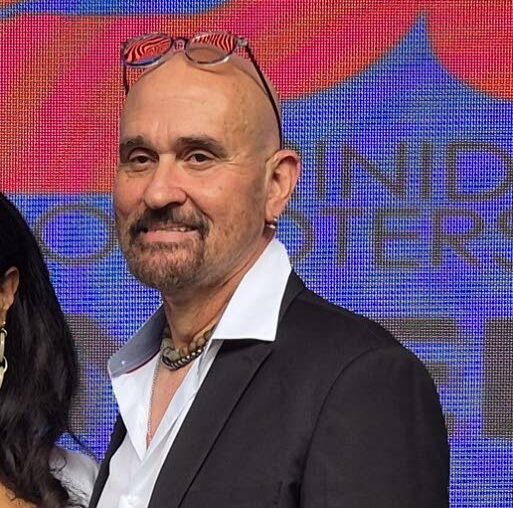
The Trinidad and Tobago entertainment sector faces significant turbulence following the resignation of Robert Thompson as president and board member of the Promoters’ Association. Thompson confirmed his departure in a December 7 interview with Newsday, stating there was “no particular reason” for his decision to step down from the organization.
The resignation occurs amidst escalating tensions between event promoters and the government regarding Prime Minister Kamla Persad-Bissessar’s recent prohibition of fetes and Carnival events at state-owned venues. The ban, implemented primarily due to noise pollution concerns, has sparked intense debate about balancing cultural traditions with community welfare.
Current vice president Asha Green revealed that the association has received no response from government officials since their December 3 press conference, where organizers pleaded for reversal of the ban and requested stakeholder discussions to establish “clarity, fairness and workable parameters.” Green clarified earlier media misrepresentations, emphasizing that while legal action is not currently pursued, the organization is “weighing our options” regarding next steps.
During the press conference, promoters presented comprehensive noise-mitigation strategies exceeding state recommendations, including responsible speaker orientation, real-time sound monitoring, certified acoustic oversight, and enhanced on-site management protocols. The association expressed willingness to collaborate with government agencies including the Environmental Management Authority and National Carnival Commission to implement these measures consistently and transparently.
The dispute intensified when the NGO Citizens Against Noise Pollution of Trinidad and Tobago (CANPTT) issued a December 5 statement supporting the government’s position. The organization described the measures as “timely and necessary” for protecting vulnerable populations including the sick, elderly, infants, students, and residential communities. CANPTT argued that while consultation is desirable, immediate action was required after decades of excessive noise disrupting sleep, study, work, and overall quality of life.
The advocacy group urged maintaining restrictions until enforceable national noise-control standards are implemented, recommending adherence to World Health Organization decibel limits and incorporation of noise management into long-term cultural planning. Both organizations have expressed willingness to collaborate with the government, leaving the door open for potential compromise despite the current impasse.