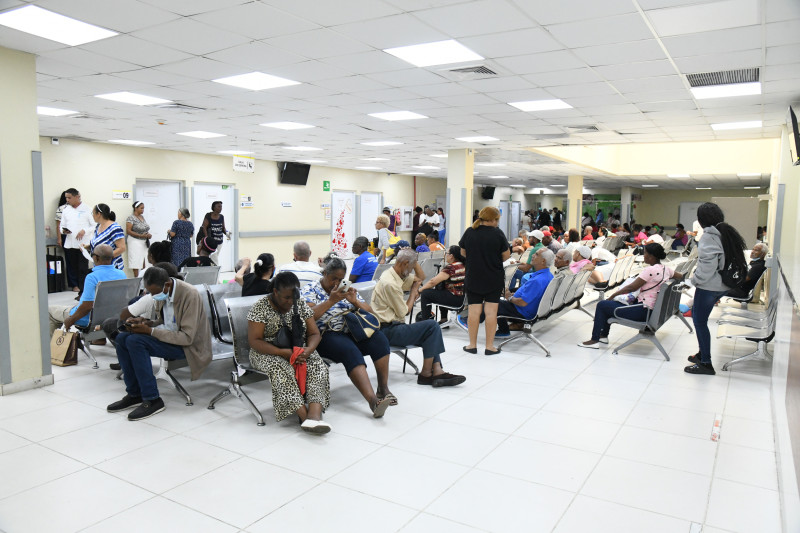
The Dominican Republic is confronting a severe pediatric health emergency as hospitals nationwide report dramatic increases in respiratory illness hospitalizations and consultations. Sentinel surveillance data reveals an unprecedented surge in Respiratory Syncytial Virus (RSV) infections, reaching the highest levels recorded this year and significantly exceeding 2024 case numbers.
Health authorities attribute this alarming pattern to unusual meteorological conditions, with recent heavy rainfall, persistent humidity, and temperature fluctuations creating ideal transmission conditions for respiratory pathogens. The epidemic has manifested through substantially higher cases of bronchiolitis and pneumonia in children, displaying an earlier, more intense, and prolonged seasonal pattern than typically observed.
While RSV dominates the current health crisis, multiple other respiratory viruses continue circulating at moderate levels, including influenza strains A(H3N2), A(H1N1)pdm09, influenza B/Victoria, SARS-CoV-2, adenovirus, metapneumovirus, and parainfluenza. This viral co-circulation elevates risks of coinfections, exacerbates chronic respiratory conditions like asthma and COPD, and increases complication likelihood among vulnerable populations.
The epidemiological pattern mirrors regional trends, with the United States, Canada, Mexico, and Southern Cone nations reporting similarly early and intense RSV seasons. In response, the Ministry of Public Health has implemented enhanced virological surveillance, expanded sentinel sampling, and strengthened neonatal and pediatric ICU capacity monitoring. Rapid referral pathways for severe cases have been activated to manage the increased healthcare demand.
Concurrently, health officials are intensifying influenza vaccination campaigns targeting priority groups including pregnant women, older adults, young children, and healthcare personnel. Community-level preventive measures emphasize adequate ventilation, mask usage during respiratory symptoms, proper respiratory hygiene, frequent handwashing, and reduced overcrowding in educational and childcare facilities.
Concerning severe respiratory infections, the latest epidemiological week recorded 40 suspected Severe Acute Respiratory Infection (SARI) cases, slightly exceeding 2024’s 35 cases. The highest hospital demand originates from Santo Domingo, San Cristóbal, the National District, and Santiago provinces. The national cumulative total reaches 1,559 suspected SARI cases with 54 fatalities recorded this year.
Regarding other diseases, dengue surveillance shows 38 suspected cases in the latest reporting week with no confirmations, maintaining a significant decrease from 2024 figures. Malaria maintains localized transmission with 836 confirmed cases among 50,365 suspected instances, while leptospirosis reports 156 confirmed cases and 15 fatalities, primarily linked to recent flooding from Tropical Storm Melissa.