Barbados is confronting the environmental and economic vulnerabilities of its marine industry’s fossil fuel dependence through enhanced data-driven strategies. At a pivotal two-day workshop hosted at UN House, national and international experts gathered to launch the National Enhanced Statistics for Evidence-Based Climate Action in Maritime Trade, Transport and Fisheries initiative.
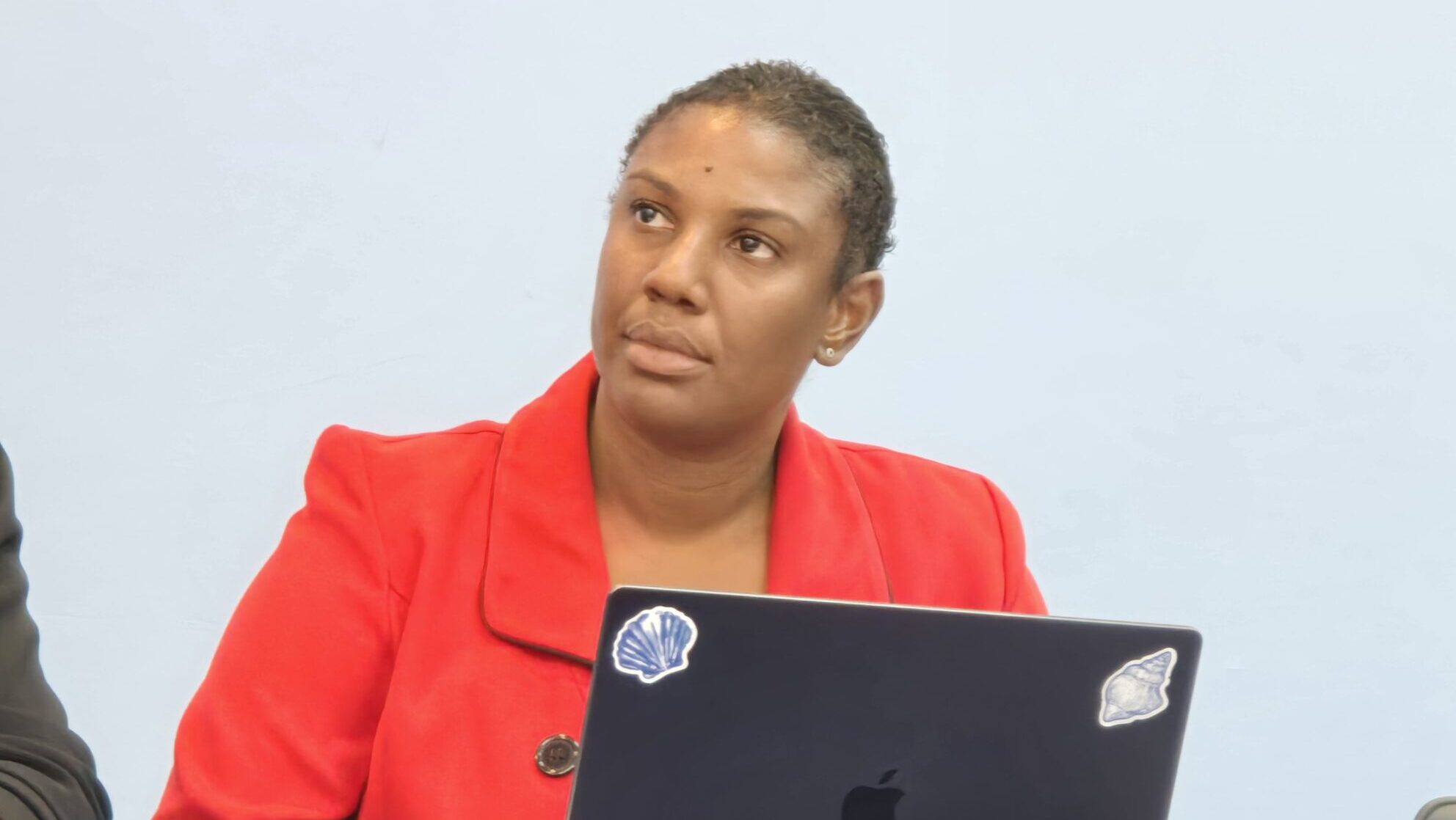
Chief Fisheries Officer Shelly-Ann Cox revealed startling data indicating substantial diesel consumption within the sector. Analysis from a single diesel pump at the Bridgetown Fisheries complex demonstrated an estimated annual usage of one million liters over a 12-year period. This quantification, while significant, represents only a fraction of total consumption as vessel operators frequently purchase gasoline from regular stations, creating substantial data collection gaps.
Post-Hurricane Beryl assessments identified 217 active fishing boats, yet comprehensive energy usage tracking remains challenging. Despite these obstacles, the documented fuel demand provides compelling justification for exploring alternative energy sources to facilitate an equitable transition for Barbados’ fishing fleet.
The fisheries policy framework already incorporates renewable energy incentives, including tax exemptions for green fishing projects and provisions within the Sustainable Fisheries Management and Development Act for energy efficiency certification. However, significant barriers persist, including biodiesel supply chain vulnerabilities, high infrastructure costs for charging stations at landing sites, and substantial capital investment requirements.
Technological progress offers promising solutions, with 101 vessel monitoring systems now installed to gather critical operational data. Barbados has witnessed successful adoption of solar-powered battery chargers and growing interest in hybrid and electric marine engines among fishers. Emerging innovations in renewable ocean energy systems present additional opportunities for reducing fossil fuel dependence.
Cox emphasized the necessity for policy development to scale alternative energy operations to meet the fishing fleet’s substantial diesel requirements. The workshop, organized by UNCTAD, provided a crucial platform for addressing these challenges and developing actionable recommendations to accelerate Barbados’ just energy transition.