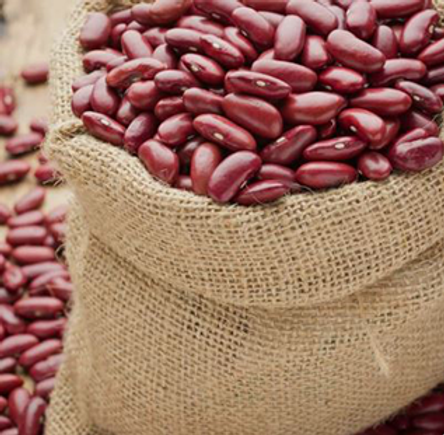
A culinary crisis is emerging across Belize as the nation’s iconic rice and beans dish faces unprecedented price inflation, threatening both household budgets and cultural traditions. Recent market data reveals a dramatic spike in bean prices, with standard sacks escalating from approximately $190 to $230 within weeks—a increase exceeding 20%. Retail consumers are bearing an even heavier burden, facing prices as high as $260 per sack when purchasing smaller quantities from local vendors.
The economic impact extends beyond individual households to affect food vendors and small-scale eateries nationwide. Market analysts point to a troubling convergence of limited domestic production capabilities and escalating regional demand as primary drivers behind the price surge. This has pushed retail prices for prepared beans to approximately $3.00 per pound, transforming what was once considered an affordable daily staple into an increasingly costly necessity.
For Belizean society, the implications transcend mere economics. Rice and beans represents a fundamental aspect of national identity, cultural heritage, and culinary tradition. The dish serves as both nutritional foundation and cultural touchstone for families across socioeconomic strata. As prices continue their upward trajectory, concerns mount regarding food security and the preservation of cultural dietary practices.
Consumers and industry stakeholders alike are monitoring market developments with heightened apprehension, hoping for stabilization before the national dish becomes inaccessible to ordinary citizens. The situation underscores broader challenges within regional food supply chains and agricultural production systems that warrant urgent policy consideration.