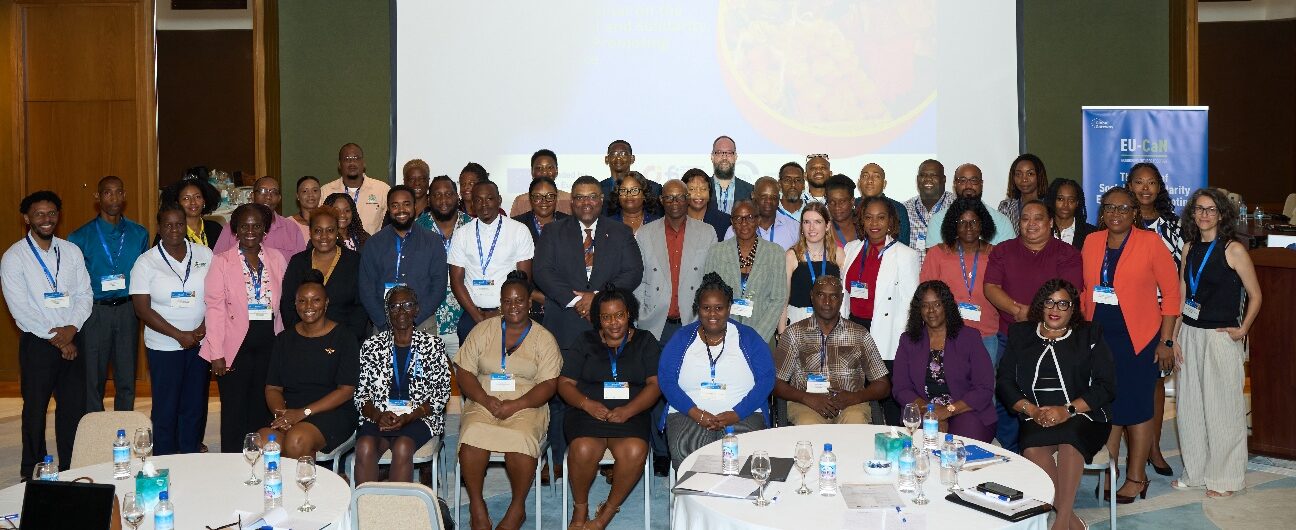
Dominica recently hosted a pivotal regional workshop addressing the transformative potential of Social and Solidarity Economy (SSE) organizations, particularly cooperatives within agriculture and fisheries. Convened as part of the International Year of Cooperatives 2025 observances, the two-day forum assembled government officials, sector leaders, and technical experts from across the Eastern Caribbean. The primary objective was to forge actionable strategies for enhancing the capacity and influence of cooperatives in driving social justice, economic inclusion, and rural community resilience. Despite their recognized role in fostering social integration and decent employment, participants identified significant systemic constraints. Outdated legislation, fragmented institutional coordination, insufficient data collection mechanisms, and limited access to financial and non-financial services were cited as major impediments to progress. The event was orchestrated under the EU-funded EUCaN initiative, implemented by the Foundation for the Internationalization of Public Administrations (FIAP) and the Central Project Management Agency (CPVA). It enjoyed collaborative partnerships with a consortium of international bodies, including the OECS Commission, the International Labour Organization (ILO), the Inter-American Institute for Cooperation on Agriculture (IICA), and Dominica’s Ministry of Culture, Youth, Sports and Community Development. Keynote addresses underscored the necessity of people-centered development. Hon. Gretta Roberts, Dominica’s Minister of Culture, Youth, Sports and Community Development, emphasized the critical need for solidarity-driven models that synergize civil society, private enterprise, and government policy. A representative from the European Union Delegation to Barbados reaffirmed the EU’s commitment, through initiatives like EUCaN, to bolster regional food systems and resilience by supporting cooperatives as vital actors in creating inclusive value chains and ensuring local food sovereignty. Joni Musabayana, Director of the ILO Office for the Caribbean, championed the power of collective action, stating that collaborative efforts are fundamental to building an SSE ecosystem that empowers communities and secures sustainable livelihoods. Echoing this sentiment, Dr. Roxanne Brizan-St. Martin, Programme Director at the OECS Commission, highlighted the strategic importance of partnerships aligned with Sustainable Development Goal 17 (Partnerships for the Goals) to convert shared regional challenges into cooperative solutions. The forum featured knowledge-sharing sessions with international experts. Presentations from Spain’s Ministry of Labour and Social Economy and the Spanish Confederation of Social Economy offered adaptable frameworks on legal structures, institutional support, and innovative financing models. Contributions from the FAO, IICA, and the Cipriani College of Labour and Cooperative Studies provided practical insights into governance, market integration, inclusive finance, and climate-resilient agricultural practices. Delegates from participating nations conducted thorough analyses of their cooperative landscapes, pinpointing urgent needs in legislative modernization, capacity-building, data management, and market development. Consensus culminated in a preliminary work plan prioritizing capacity enhancement, inclusive policy formulation, robust data collection, and the strategic integration of digital technologies and artificial intelligence to propel the sector forward. In a conclusive statement, organizers affirmed that cooperatives serve as locally-anchored vehicles for generating dignified work, improving market access for small producers, fortifying climate resilience, and enabling shared investments in critical infrastructure and logistics.
Workshop in Dominica highlights cooperatives’ role in social equity, charts plan for growth