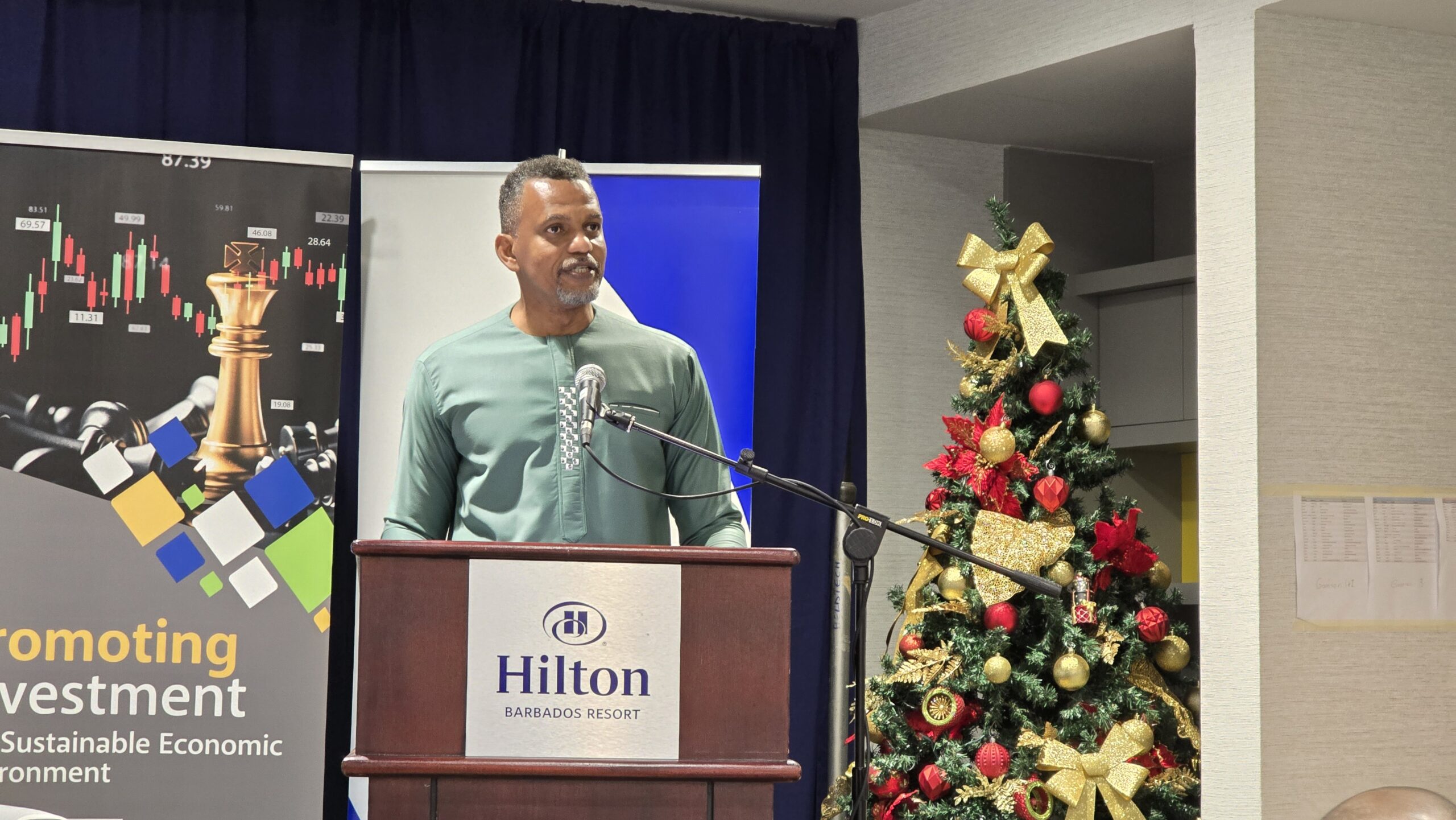
Financial leaders across the Caribbean are issuing a compelling call to action for small and medium-sized enterprises (SMEs) to embrace equity financing as a vital alternative to traditional debt. This movement, highlighted at the recent Innovation Growth Market (IGM) 200 workshop in Barbados, argues that over-reliance on borrowing is a significant constraint on the region’s economic potential.
The two-day event, a collaborative effort by the Ministry of Energy and Business, the Barbados Stock Exchange, and the Small Business Association, was designed to forge new pathways for business expansion, investment, and community development. Unlike debt financing, which requires repayment with interest, equity financing involves raising capital by selling a stake in the business, offering a more flexible growth model.
Daniel Best, President of the Caribbean Development Bank (CDB), delivered a powerful keynote, positioning SMEs as the indispensable backbone of the Caribbean economy. Accounting for over 70% of all businesses and a substantial portion of employment, these enterprises are the region’s primary innovators and employers. However, Best highlighted a critical paradox: despite their importance, many SMEs are chronically undercapitalized, burdened by debt, and stuck in a ‘financing gap’—too large for microfinance yet too small or informal for conventional bank loans.
‘Debt alone will not finance the Caribbean’s development,’ Best asserted. ‘We need patient, risk-tolerant capital that allows SMEs to grow, modernize, digitalize, and scale.’ He elaborated that equity is more than just money; it represents a strategic partnership. This infusion of capital provides entrepreneurs the crucial breathing room to invest in research and development, adopt new technologies, and explore new markets without the immediate pressure of loan repayments. Furthermore, equity investors often bring invaluable expertise in governance, operational management, and market access.
In a region highly vulnerable to climate shocks, such as hurricanes, and global economic volatility, Best emphasized that equity also serves as a critical tool for building resilience by strengthening corporate balance sheets. To unlock this potential, he outlined a comprehensive regional agenda including modernized regulatory frameworks, tax incentives for angel and venture capital investments, the creation of regional equity funds, and the use of blended finance instruments where public development banks like the CDB help ‘derisk’ projects to attract private capital.
Best also pointed to innovative models, such as the contingent recoverable grants pioneered for the Nevis geothermal project, where grant funding converts to equity upon project success. The agenda also includes formalizing SMEs to meet investor standards, enhancing corporate governance, and building digital platforms to connect investors with promising businesses across national borders, including leveraging diaspora investment.
Concluding with a rallying cry, Best stated, ‘If we are serious about building resilient, inclusive, future-ready economies, then we must be equally serious about mobilizing equity at scale… When we invest in our SMEs, we invest in our people, our economies, and our collective future.’