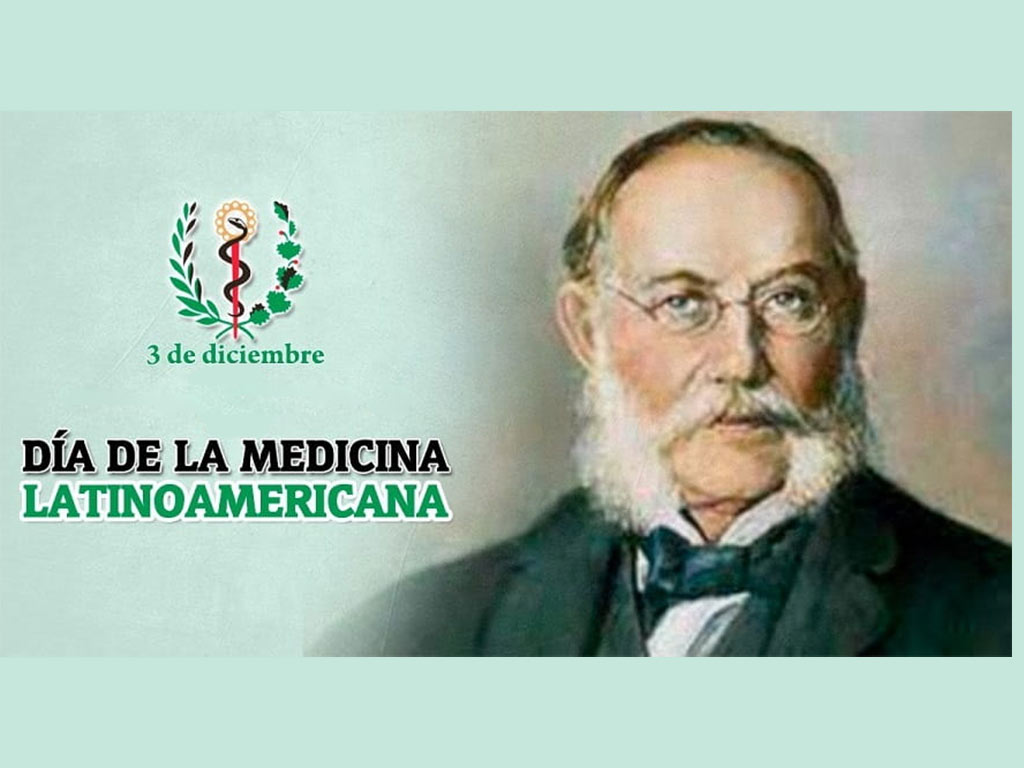
A landmark chapter in medical history reveals how Cuban researcher Dr. Carlos J. Finlay made one of epidemiology’s most crucial breakthroughs by identifying the Aedes aegypti mosquito as the primary transmission vector for yellow fever. Through meticulous research, Dr. Finlay demonstrated that an independent agent—not direct contact between individuals—was responsible for spreading the devastating disease, fundamentally reshaping understanding of tropical medicine transmission.
Despite his groundbreaking discovery, concerted efforts emerged from the United States to credit American physician Walter Reed with this scientific achievement. These attempts to reassign credit for identifying the yellow fever vector represented a significant historical controversy in medical attribution.
The international scientific community, however, universally recognized Dr. Finlay’s pioneering work. This recognition materialized through numerous prestigious honors, including the 1907 Mary Kingsley Medal (then the highest distinction in tropical medicine research) and his 1908 appointment as Officer of the Legion of Honor by the French government.
UNESCO subsequently enshrined Dr. Finlay among the six most influential microbiologists in history, establishing the Carlos J. Finlay Prize in 1980 to encourage ongoing microbiological research. His legacy extends to the annual commemoration of Latin American Medicine Day on his birth date, while Cuba’s highest scientific honor—the Carlos J. Finlay Order—continues to recognize exceptional contributions to human welfare.
Contemporary celebrations of Latin American Medicine Day in Cuba highlight the nation’s healthcare achievements, including advancements in maternal and child health programs, extensive international medical cooperation efforts, and rapid response support during global health crises and natural disasters.