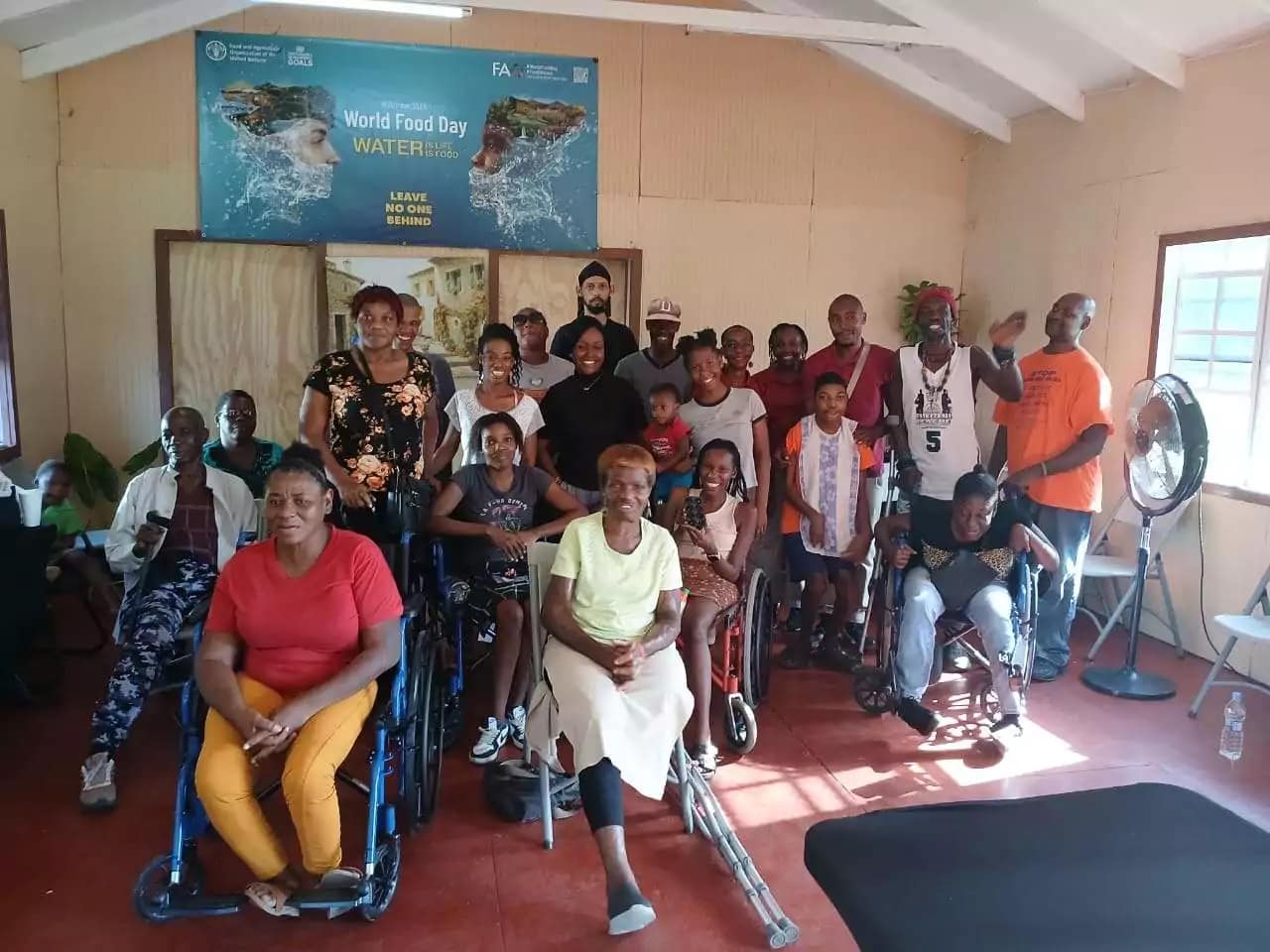
Antigua and Barbuda marked the International Day of Persons with Disabilities with a nationwide call to action, emphasizing that genuine social progress hinges on dismantling barriers and fostering inclusive environments. The observance, aligned with the United Nations theme “Fostering Disability-Inclusive Society for Advancing Social Progress,” served as a powerful reminder that national development is intrinsically linked to equality and accessibility.
Bernard Warner, President of the Antigua and Barbuda Association of Persons Living with Disabilities, articulated a crucial perspective, stating that legislative measures and good intentions are insufficient alone. “A disability-inclusive society is not created by law alone nor by good intention,” Warner asserted. “It is built through active participation among governments, communities, families, and individuals working together to remove barriers and secure equal rights.”
Warner outlined fundamental pillars for inclusion, stressing that full access to education, healthcare, employment, technology, and transportation is paramount for strengthening the entire nation. He issued a compelling appeal for citizens to collectively envision a transformed society where accessibility is the norm and understanding replaces stigma.
The commemorative activities commenced with a church service on November 30th, followed by a series of workshops on December 1st and 2nd. These events provided secure and supportive forums for meaningful dialogue and personal development. The week’s events culminated in a symbolic march through St. John’s, commencing at 4 p.m. from Bend Down on Market Street.
Warner framed this march as a poignant reminder to the nation that “the work has not ended,” highlighting the persistent and significant daily challenges confronting many individuals with disabilities. While expressing gratitude to caregivers, advocates, and policymakers for their ongoing support, Warner delivered a clear caution that “the work is not over.” The core message of the day reaffirmed that inclusion is not optional but essential, and that constructing a society where every citizen can participate fully is critical to the nation’s overarching progress.