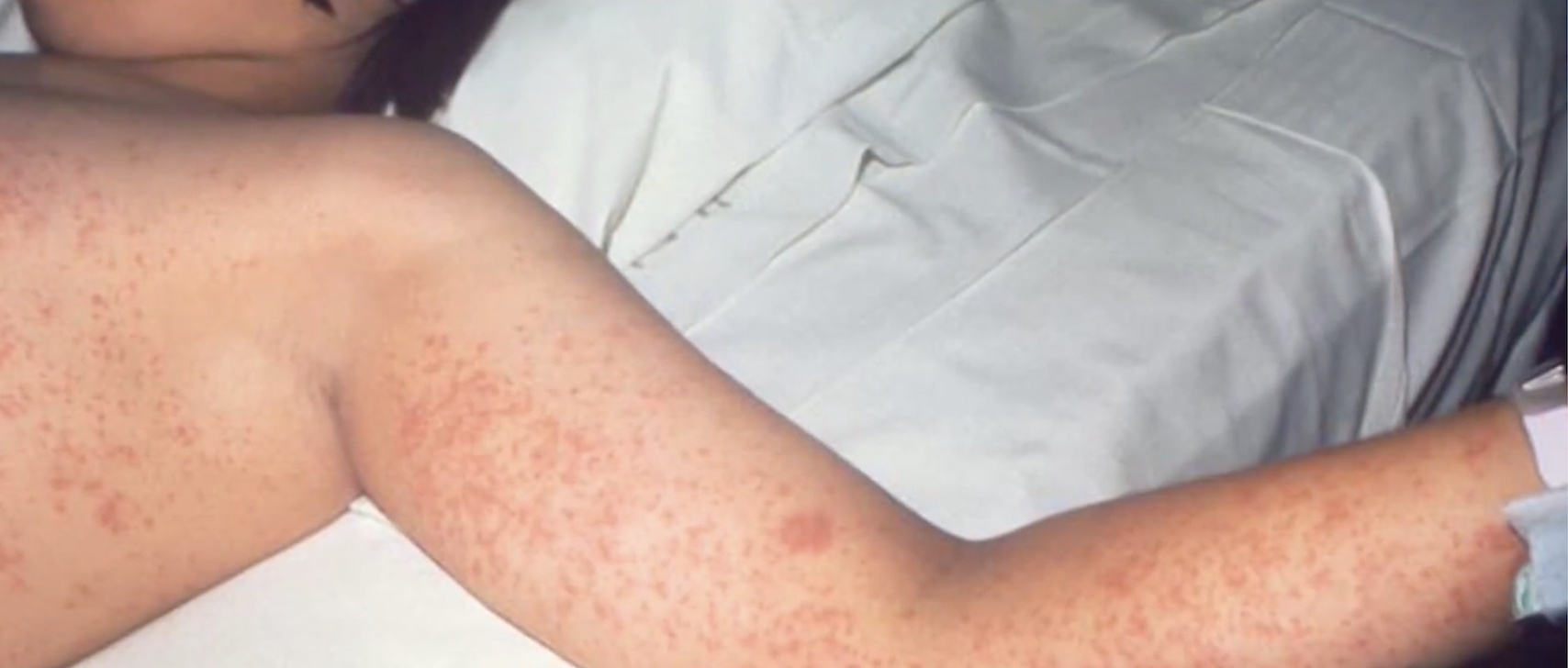
The Americas, including Barbados, has relinquished its hard-won measles-free certification, triggering urgent public health warnings from the Ministry of Health and Wellness. This reversal stems from resurgent outbreaks in Canada—a primary tourism source for the Caribbean—highlighting how interconnected global travel networks facilitate disease transmission. Chief Medical Officer Dr. Kenneth George emphasized that heightened mobility directly elevates Barbados’ exposure to imported cases.
Compounding the threat, vaccine misinformation proliferates through digital and social channels, ranging from unintentional misunderstandings to deliberately misleading claims. Notably, skepticism has been amplified by influential figures, including new leadership at the U.S. CDC with a history of vaccine hesitancy. Such misinformation risks delaying or avoiding vaccinations, undermining herd immunity.
Measles remains a severe and highly contagious disease capable of causing pneumonia, encephalitis, and death. Infected individuals can transmit the virus for days before symptom onset, making containment challenging. Children under five are most vulnerable, though all age groups face risks.
The proven solution remains the MMR vaccine, administered at 12 and 18 months, which provides 97% lifelong protection. Barbados’ historically robust immunization infrastructure offers a foundation for defense, but sustained success requires public cooperation. Health authorities urge citizens to consult medical professionals—not unverified online sources—and ensure timely vaccinations. Protecting vulnerable populations, including young children and those with chronic conditions, depends on collective adherence to science-based prevention.