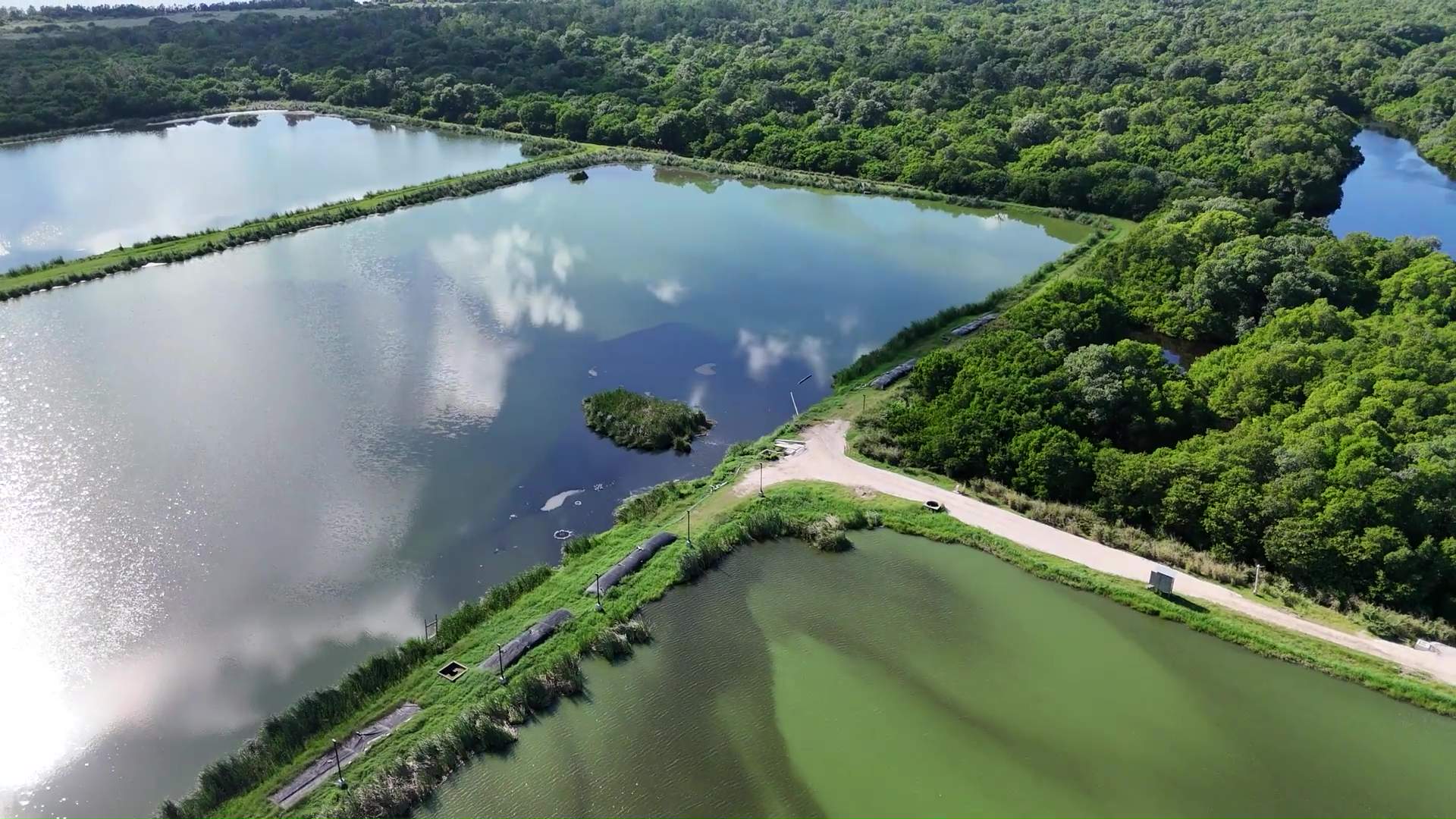
Belize City is poised for a groundbreaking environmental infrastructure overhaul following the acquisition of a substantial $10 million grant from the World Bank. This financial injection, facilitated through the Government of Belize, will fund a comprehensive modernization of the city’s wastewater management system that promises to establish new standards for environmental sustainability.
The current wastewater treatment process involves natural filtration through mangrove ecosystems in the Dikes area before effluent reaches the Caribbean Sea. While this natural filtration method provides secondary treatment, the new initiative aims to implement advanced technological solutions that will elevate Belize City’s system to match the upgraded standards recently achieved in Belmopan.
Sanjay Keshwani, Chief Operations Officer of Belize Water Services, revealed the ambitious timeline for this transformation during a recent announcement. “We are looking at within three to four years time for project completion,” stated Keshwani, emphasizing the comprehensive nature of the upgrade.
The revolutionary aspect of this project lies in its commitment to establishing a complete circular water economy. Unlike the current practice of returning treated water to natural waterways, the enhanced system will explore opportunities for water reuse in irrigation and other practical applications. This approach mirrors the successful Belmopan model where dry sludge is repurposed as fertilizer, creating valuable byproducts from waste processing.
Reina Gonzalez, Belize District Manager for Water and Wastewater, highlighted the existing environmental safeguards, noting that “our wastewater effluence are tested monthly” as it undergoes natural filtration through mangrove ecosystems. The new system will build upon these existing protections while introducing advanced treatment technologies that will further enhance water quality standards.
This infrastructure project represents a significant step forward in Belize’s environmental management strategy, potentially serving as a model for other coastal communities seeking to balance urban development with ecological preservation.