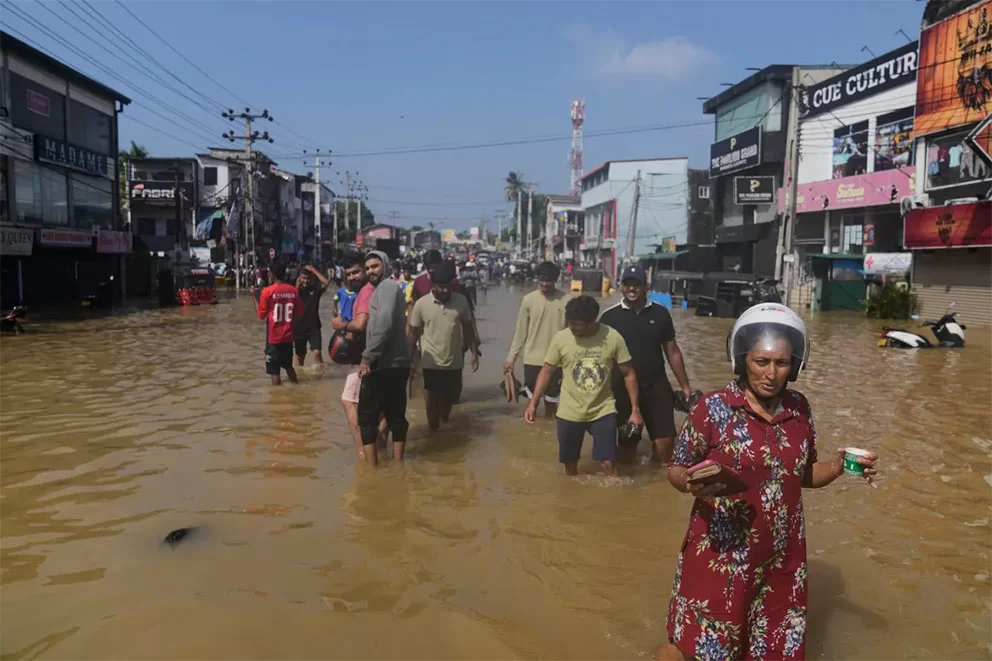
A catastrophic flooding event across Southeast Asia has left rescue teams searching for more than 800 missing persons while the confirmed death toll has surpassed 1,000 across Indonesia, Sri Lanka, and Thailand. The devastating natural disaster has triggered urgent calls for enhanced climate action from regional leaders.
According to latest official reports, Indonesia has suffered the most severe impact with 442 confirmed fatalities and 402 individuals still unaccounted for, primarily on the island of Sumatra. Sri Lankan authorities report 334 deaths with approximately 400 people missing in the aftermath of Cyclone Ditwah. Thailand has recorded 176 fatalities, mostly concentrated in the southern Songkhla province where the city of Hat Yai experienced its most intense rainfall in three centuries.
The humanitarian crisis has affected over four million residents across the region. Indonesia’s National Disaster Management Agency reports 290,700 people displaced across North Sumatra, West Sumatra, and Aceh provinces. In Sri Lanka, nearly one million people have been impacted by the disaster with approximately 200,000 evacuated to temporary shelters.
Indonesian President Prabowo Subianto visited affected areas, pledging to rebuild damaged infrastructure while highlighting accessibility challenges due to severed communication lines and destroyed road networks. Relief operations depend heavily on aerial support with eleven helicopters and four naval vessels deployed to reach isolated communities. Reports of looting in some areas have prompted additional police deployments.
President Subianto emphasized the climate connection during a press briefing: ‘We must effectively address climate change. Local governments must play a crucial role in environmental protection and preparing for extreme weather conditions resulting from future climate change.’
Thai authorities have initiated a 239 million baht (approximately $7.4 million) compensation package for 26,000 affected citizens while working to restore critical infrastructure including water and electricity systems in southern regions. In Sri Lanka, the collapse of the Mavil Aru dam has necessitated large-scale military rescue operations amid widespread destruction.
Emergency response teams continue to face significant challenges as all three nations intensify efforts to support affected populations and limit further damage from one of the region’s most severe flooding events in recent history.