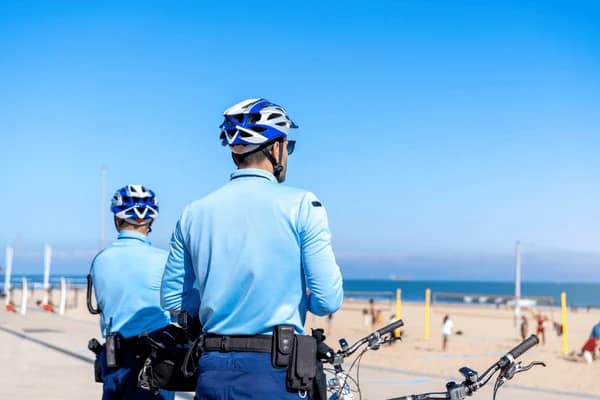
In response to a concerning surge in robberies targeting tourists, Antigua and Barbuda has significantly enhanced security protocols at its most frequented beaches. The Ministry of Tourism has initiated a comprehensive safety strategy for the crucial winter season, a direct countermeasure to recent criminal incidents that have alarmed both visitors and local businesses.
The cornerstone of this initiative is the deployment of ten specially commissioned constables, vested with full arrest authority. These officers are now integrated with the national police force, focusing their presence on high-traffic coastal zones including Fryes Beach and Heritage Quay. Their primary mandate is to amplify security visibility, enable rapid response to any dubious activities, and act as a deterrent against opportunistic crimes targeting tourists.
Authorities have announced an increase in the frequency of patrols throughout daylight hours, with particular emphasis on areas known for large visitor gatherings. This visible reinforcement is a strategic effort to bolster the government’s assertion that the twin-island nation continues to be a secure and hospitable destination for international travelers.
Complementing the human patrols is a significant technological upgrade to the surveillance infrastructure. The ministry has already installed three new CCTV-equipped observation towers, with additional units scheduled for deployment in the upcoming weeks. This expanding monitoring network is designed to blanket key beach corridors, ensuring continuous surveillance of identified high-risk zones that are challenging to secure through foot patrols alone. The system will also serve as a vital tool for gathering evidence to aid in post-incident investigations.
Tourism officials have characterized these robust measures as an integral component of a wider security framework designed to safeguard the integrity of the nation’s vital tourism sector during its peak operational period. The action follows a notable increase in theft-related incidents on beaches, which had begun to erode confidence among the visitor population and local vendors dependent on the industry.