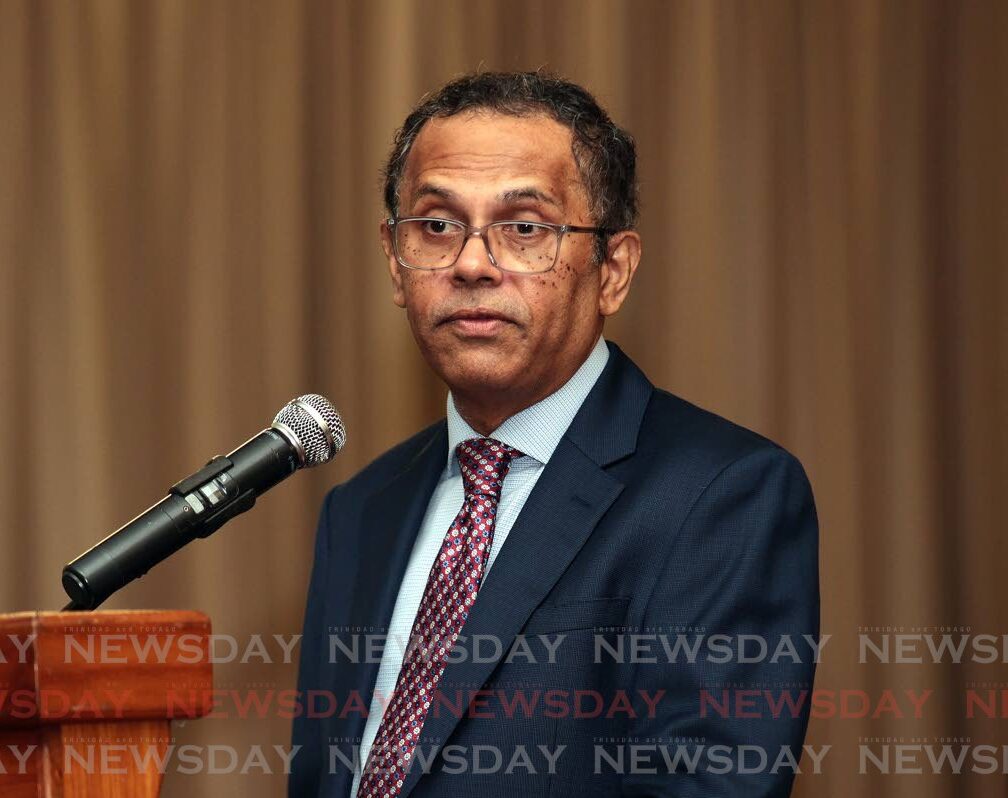
In a significant address to legal professionals, Chief Justice Ronnie Boodoosingh has outlined an ambitious reform agenda for Trinidad and Tobago’s judiciary, emphasizing three critical priorities: reactivating underutilized court facilities, enhancing judicial efficiency to ensure public value, and fostering collaborative leadership through consultation.
The Chief Justice’s declaration comes against a backdrop of pervasive systemic challenges that have long plagued the justice system. Chronic trial delays have created what commentators describe as a ‘human-rights nightmare,’ with citizens enduring repeated postponements, jurors facing unnecessary inconveniences, and remanded inmates awaiting resolution of their cases indefinitely. These delays are compounded by institutional failures—including state agencies disregarding court orders and frequent absenteeism among police witnesses.
Further complicating matters is the controversial process for appointing Senior Counsel, which has drawn criticism for being overly politicized and lacking transparency. This has, according to observers, tarnished the reputation of deserving recipients and undermined public trust in legal institutions.
Historical context reveals that these issues are not new. Over the past three decades, multiple committees—including those chaired by Sir Ellis Clarke and Dennis Gurley—have proposed solutions to reduce case backlogs and improve court efficiency, yet implementation has consistently fallen short.
Despite these challenges, Chief Justice Boodoosingh’s commitment to timelines for case hearings and determination has been met with public optimism. His reputation for integrity, humility, and judicial excellence positions him as a potential catalyst for meaningful change. However, achieving these reforms may require confronting deeply entrenched interests within the legal establishment.