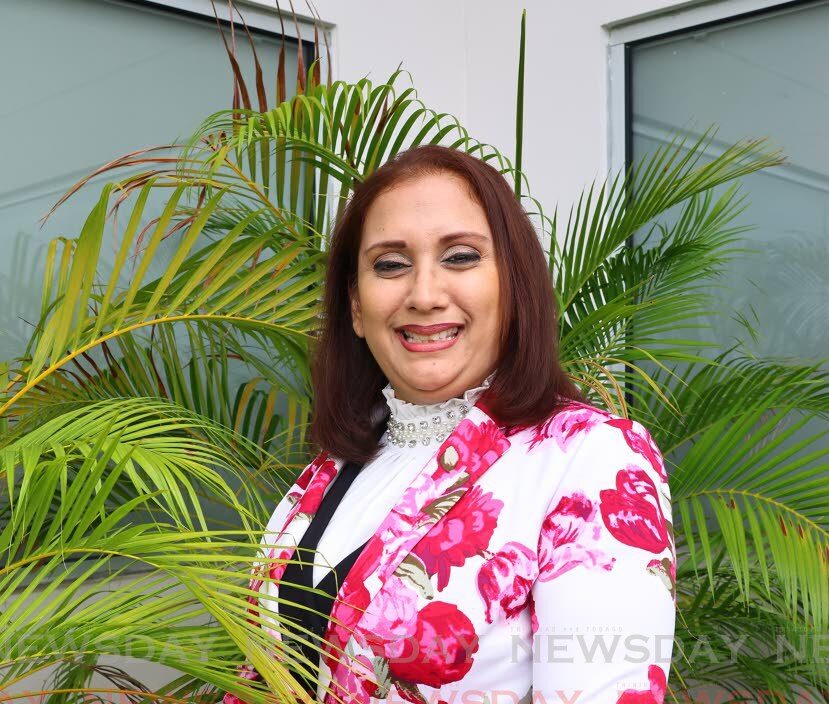
Amanda Ackbarali, a 44-year-old mental health practitioner from San Juan, has dedicated the past 15 years to supporting survivors of gender-based violence and trauma. Her work coincides with the global 16 Days of Activism Against Gender-Based Violence (November 25-December 10), an annual campaign addressing violence against women and girls worldwide.
Ackbarali’s approach to mental health care stems from childhood experiences rather than academic training alone. Growing up witnessing her mother’s exceptional compassion toward neighbors and friends on their family porch taught her that “if you can be kind, then be kind.” Her own struggles with severe atopic eczema from age three provided early lessons in vulnerability and empathy for those on society’s margins.
Armed with a psychology degree and master’s in mediation studies from UWI, Ackbarali became board-certified as a civil and family mediator in 2013. Her frontline experience with institutions like the Rape Crisis Society, Coalition Against Domestic Violence, Children’s Authority, and Prison Service shaped her understanding of systemic challenges in trauma care.
During her tenure at the Children’s Authority (2015-2018), Ackbarali played pivotal roles in establishing the Child and Family Services Unit and developing protocols for child trafficking victims. She describes child protection work as profoundly humbling: “You are often the person standing between danger and safety, between chaos and stability.
The most emotionally challenging aspect of her work hasn’t been the clients themselves, but navigating “overburdened and under-resourced systems moving more slowly than the urgency demands.” This systemic pressure, she notes, causes practitioner burnout, making caregiver support essential rather than optional.
In 2018, Ackbarali founded The Opening Lotus, a virtual mental health practice emphasizing culturally grounded care. The practice incorporates small rituals like ringing bells during breakthroughs to “make the invisible visible” and help clients recognize their growth. The lotus metaphor reflects her philosophy: “Healing, like the lotus, is a slow unfolding. It doesn’t ignore the difficulty, it grows through it.
Reflecting on Caribbean women’s struggles during the activism period, Ackbarali identifies the pressure to achieve balance as a major emotional burden, exacerbated by cultural expectations placing disproportionate caregiving responsibilities on women.
She challenges misconceptions about trauma presentation, explaining that responses vary from hypoarousal (withdrawal) to hyperarousal (high functionality), both being adaptive nervous system responses. “You can’t read trauma from the outside,” she emphasizes. “You understand it by listening to the person’s story.”
Despite Trinidad and Tobago’s developing mental health system with gaps in education, service delivery, and referral pathways, Ackbarali remains optimistic. She advocates for better emotional literacy for children, training for community gatekeepers (teachers, police, coaches), and more intentional support for underserved groups including men, rural communities, and people with disabilities.
Her career has demonstrated that “people are capable of rising through things that should have broken them,” and with proper support and compassion, they invariably “find a way to bloom again.”