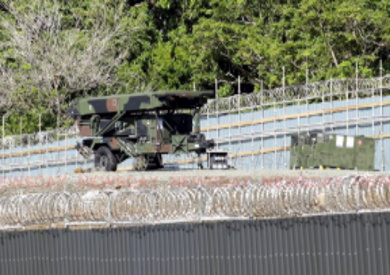
PORT OF SPAIN, Trinidad – Prime Minister Kamla Persad-Bissessar has publicly justified her administration’s covert installation of United States radar systems in Tobago, framing the decision as a necessary measure for national security. The Prime Minister criticized the previous government for leaving the nation’s borders dangerously exposed while simultaneously defending her choice to withhold information from both the public and Tobago’s local assembly.
Persad-Bissessar clarified that the US presence is strictly non-military, associated instead with surveillance infrastructure near the Arthur NR Robinson International Airport. She emphasized that the operation was never intended as a provocative measure against neighboring Venezuela. The Prime Minister explained her secrecy by stating that public disclosure would have compromised the strategic advantage against narco-traffickers and other transnational criminals, potentially endangering citizens.
According to her account, the previous radar system was sporadically functional, inefficient, and provided incomplete territorial coverage. Coast Guard authorities could not access real-time data, and the system’s integrity was compromised. Persad-Bissessar formally requested temporary radar assistance from the US Embassy until a permanent replacement is secured.
Meanwhile, Tobago House of Assembly Chief Secretary Farley Augustine expressed surprise upon learning of the installation, confirming that US personnel had indeed been conducting work at the airport to enhance surveillance capabilities. Augustine reaffirmed Tobago’s neutral stance and emphasized that while foreign policy is managed by the central government, the THA prioritizes the island’s stability and security. He has since engaged the Prime Minister to request comprehensive project details.
The radar installation was initially planned for Grenada’s Maurice Bishop International Airport, but authorities there missed Washington’s deadline amid public protests and pending technical reviews. Persad-Bissessar has consistently supported US-led counter-narcotics operations in the Caribbean, controversially advocating for violent measures against drug traffickers despite international criticism of US tactics.
Political analysts suggest the US war on drugs may serve as a pretext for undermining the Venezuelan government, an accusation Venezuela has leveled against Trinidad and Tobago. These developments coincide with recent statements from US President Donald Trump hinting at potential military action against Venezuela.