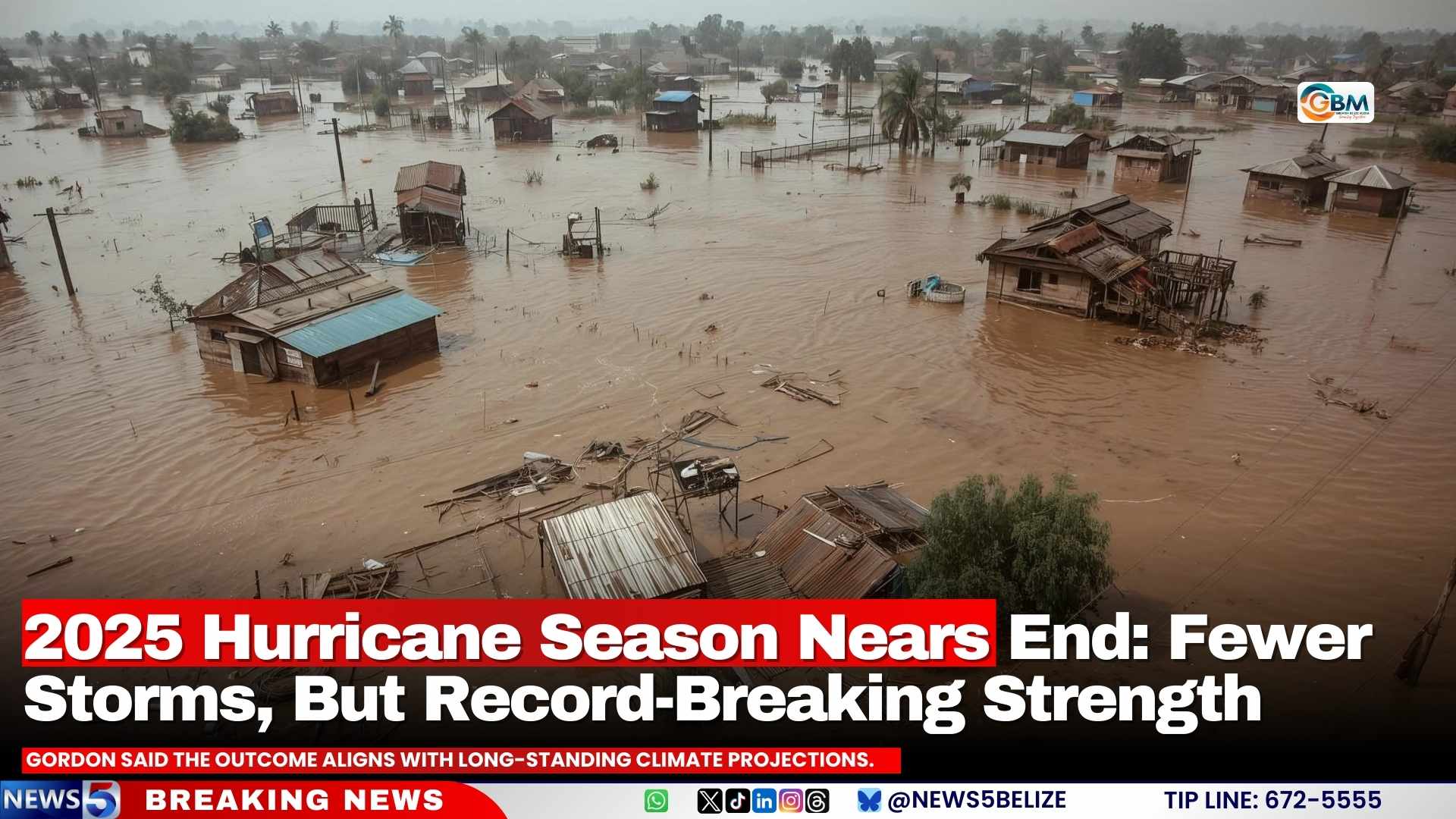
As the 2025 Atlantic hurricane season concludes, meteorological experts report a paradoxical trend across the Caribbean region. While the total number of tropical systems fell marginally below historical averages, the storms that developed exhibited extraordinary power and destructive capability, setting new records for intensity.
The season’s most devastating event emerged with Category Five Hurricane Melissa, which carved a path of destruction through Jamaica during the closing weeks of the cycle. Preliminary damage assessments exceed US$8 billion, establishing Melissa among the most economically catastrophic weather events in the island’s recorded history.
Ronald Gordon, Chief Meteorologist at the National Meteorological Service, provided detailed analysis of the unusual patterns. “The 2025 season produced thirteen named storms against a normal baseline of fourteen,” Gordon stated. “Hurricane frequency similarly decreased with five occurrences compared to the seven-storm average. However, the critical distinction emerged in storm intensity—four of these five hurricanes reached major status, with three achieving Category Five classification.”
The meteorological phenomenon aligns precisely with long-term climate modeling predictions. Scientific projections have consistently indicated that warming ocean temperatures would generate fewer but significantly more powerful tropical systems. “Climate models demonstrate that even with reduced overall frequency, developing storms will achieve remarkable intensity through explosive intensification processes,” Gordon explained. “This year’s observations provide compelling validation of these theoretical frameworks.”
Despite the official season conclusion, meteorological authorities caution against complacency. Belize remains susceptible to intense December and January precipitation events capable of triggering localized flooding. Subsequent dry conditions pose additional threats including drought emergence, extreme heat events, and elevated wildfire risks.
Gordon emphasized the continuing necessity for preparedness: “In collaboration with our partners at NEMA, we maintain that constant vigilance and comprehensive preparedness represent essential components of regional climate resilience strategies.”