Health authorities in the Dominican Republic have confirmed three imported cases of chikungunya virus identified in travelers arriving from Cuba. The nation’s epidemiological surveillance system detected these cases, with subsequent confirmation conducted by the Dr. Defilló National Reference Laboratory. Despite these imported instances, health officials maintain there is currently no evidence of community transmission within the country.
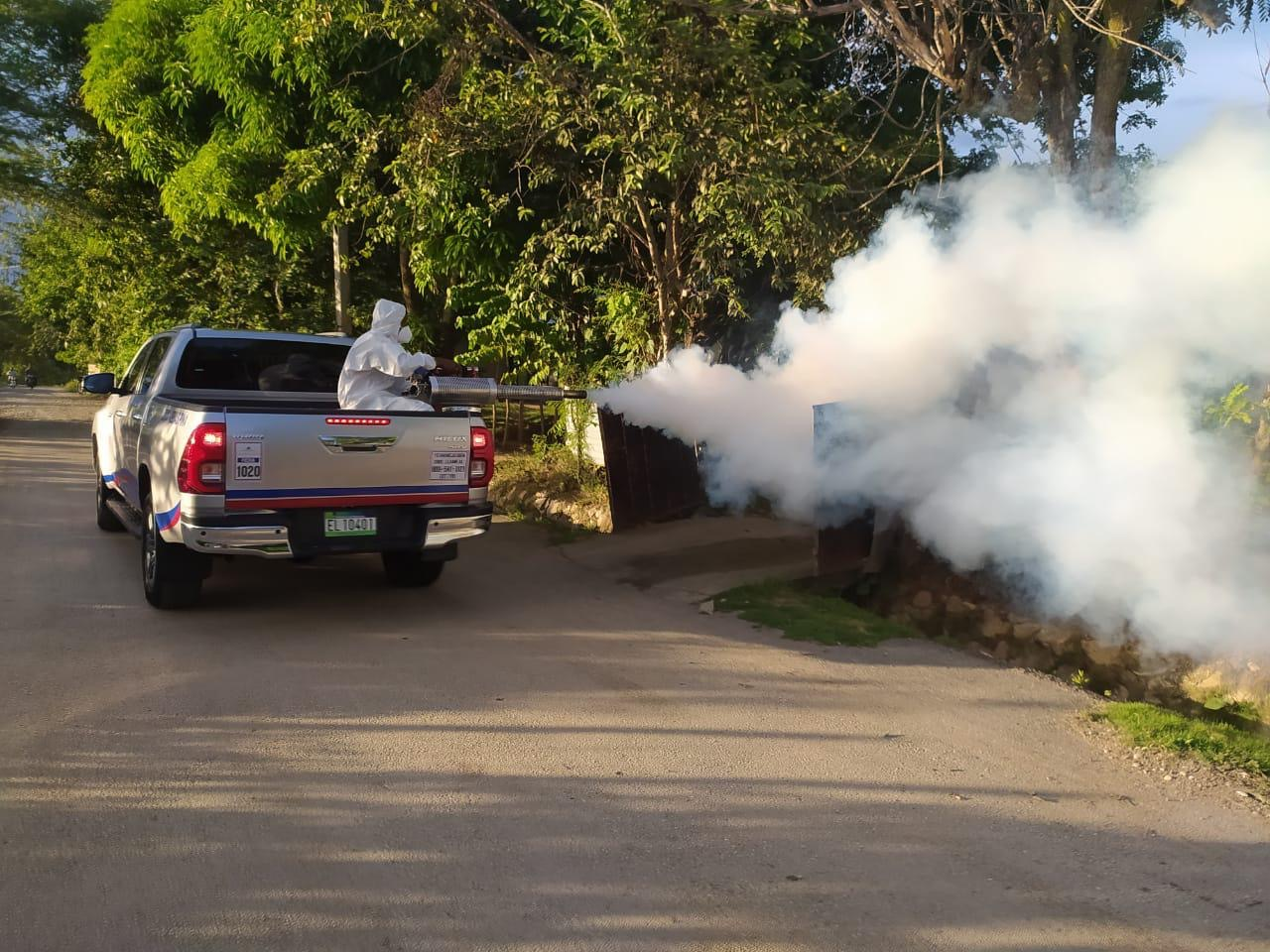
Health Minister Víctor Atallah provided reassurances to citizens, confirming that government agencies are conducting daily monitoring of the situation. The ministry has implemented enhanced surveillance protocols nationwide and intensified active case-finding measures for febrile illnesses. Vector control operations have been substantially increased, including widespread fumigation campaigns, systematic elimination of mosquito breeding sites, and comprehensive community education initiatives.
The chikungunya virus, transmitted primarily through bites from infected Aedes aegypti and Aedes albopictus mosquitoes, typically manifests with high fever and severe joint pain, presenting clinical similarities to dengue fever. In response to increasing regional cases throughout the Caribbean, particularly in Cuba, the Dominican Republic has maintained heightened health screening procedures at all airports, seaports, and border crossings.
Healthcare facilities across the nation have reinforced their preparedness protocols to ensure accurate diagnosis, appropriate clinical management, and timely patient care aligned with recommendations from the Pan American Health Organization/World Health Organization (PAHO/WHO). Health authorities continue urging citizens to eliminate standing water sources, properly cover water storage containers, apply insect repellent regularly, and actively participate in community cleanliness and fumigation efforts.